

Cambridge AI firm says drug identified in April could have saved 5,000 lives
AI VIVO, the Cambridge company combining systems pharmacology and AI to accelerate drug discovery, reveals that its platform correctly identified dexamethasone as having high potential for the treatment of COVID-19 as early as April.

Serendipity may be a thing of the past, says Cleevely
Fewer opportunities for serendipity – chance encounters leading to unexpected ideas and relationships – may be one tragic outcome of the Covid-19 pandemic, says Dr David Cleevely, serial entrepreneur, co-founder of Cambridge Network and a leading business figure in the region for many years.

Cambridge Angels' top tips for remote working
It’s no secret that Coronavirus has caused a seismic shift in the way that we work. Remote working has been part of our lives for a number of months now and it seems it will be a feature that will continue to influence the way we do business, even after a return to an office environment.
It’s no secret that Coronavirus has caused a seismic shift in the way that we work. Remote working has been part of our lives for a number of months now and it seems it will be a feature that will continue to influence the way we do business, even after a return to an office environment.
Cambridge Angels has since the start of lockdown, hosted regular online sessions with both its members and our portfolio. One of the key topics for us, as for most people, has been the non-trivial matter of making remote working work. We’ve collated a list of the top tips for remote working that we’ve heard from our portfolio and our members.
As we head into the summer season, and as remote working fatigue may be starting to set in, we hope that you’ll find these reminder tips handy.
Look after your and your team’s mental health
Exercise regularly, take regular breaks, create a routine, manage your information intake, set a daily ‘no meetings’ period in your team’s diaries
Set the tone
Create an informal chat or social sessions to keep spirits high. Allow for feedback for employees to submit improvement suggestions for how we communicate and work together at this time. Make remote working work for you. Change where you sit, put on music, whatever helps you work. And enjoy the perks – no commute or uncomfortable shoes, and all your home comforts!
Keep in touch
Have a ‘war room’ call with your team at the start of each day and keep all communication explicit and transparent. Keep up one-to-one contact. Be prepared for each meeting to communicate effectively
Conference call tips
Always switch on the camera. Seeing each other’s faces really helps. Use facilitation technologies to help (e.g. Mentimeter and Kaptivo)
Remote customer contact
Behave as if every dollar of revenue is the last you’re going to see from that customer and focus on upselling. Engage with your customers on a human level – their businesses are going through the same crisis. Consider the risk associated with every revenue assumption and put contingency plans in place for each.

AI VIVO seeks collaboration partners to progress top-ranked COVID-19 therapeutic candidates
AI VIVO, the Cambridge based company combining systems pharmacology and artificial intelligence (AI) to accelerate drug discovery, has announced that it is seeking pharma and biotech collaboration partners to progress therapeutic candidates that have been identified by the Company as “top-ranked” for COVID-19. The announcement follows the finding that 41 of the candidate drugs from AI VIVO’s top-ranked list for COVID-19 are now in clinical trials for COVID-19 by multiple groups globally.
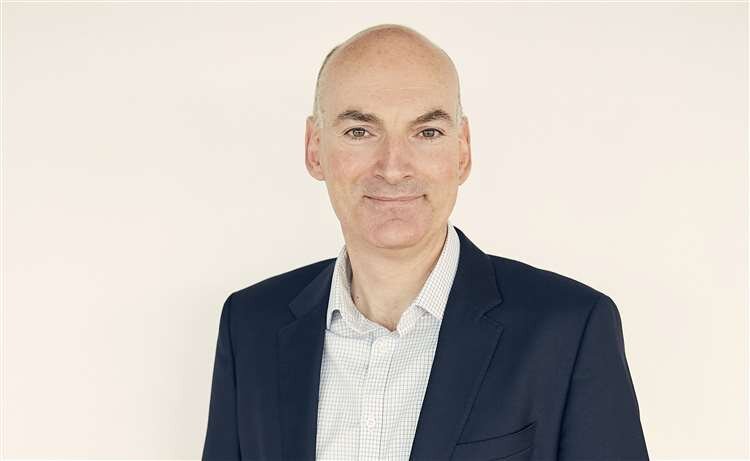
Future Fund ‘could be updated in weeks’, say Cambridge insiders
The government’s latest scheme to support UK businesses, the Future Fund, is open to applications from May 1 – but Cambridge-based sources believe the system will be “tweaked” within the next fortnight.

Cambridge AI top-ranks likeliest drugs to effectively fight coronavirus
A revolutionary systems pharmacology platform powered by artificial intelligence has identified the top candidate drugs highly likely to be effective in treating COVID-19 disease.
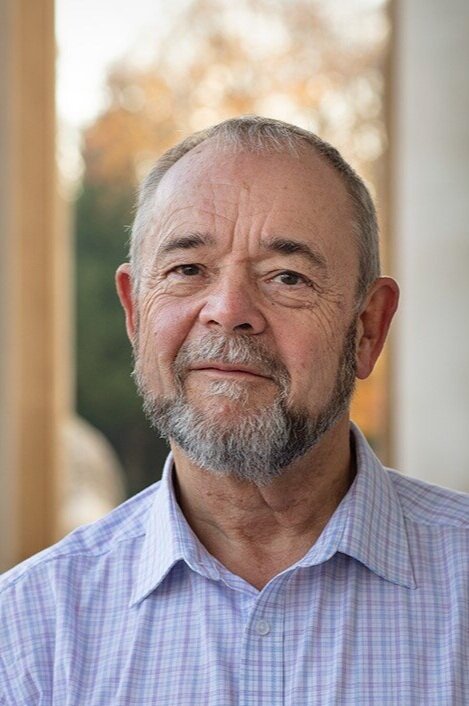
How secure is Zoom?
In recent weeks we’ve all become home remote workers. And that means we’re relying on video conferencing software like Skype and Zoom. And this has led to concerns about the security of the information being exchanged. Adam Murphy was joined by tech commentator and angel investor Peter Cowley…

Simon Thorpe talks about his new role as Chair of Cambridge Angels and emphasises the UK growth opportunities in ‘digital manufacturing’
As we reach the end of another financial year, it’s the perfect time to look forward at the opportunities that the year ahead could bring for angel investors. With plenty of buzz around artificial intelligence and a continued drive to increase the number of women angel investors, we spoke to Simon Thorpe, Managing Partner at Delta2020 and Chair at Cambridge Angels to find out his thoughts.

SaaS veteran joins board of Essentia Analytics
Essentia Analytics (Essentia), a provider of behavioural data analytics and consulting for professional investors, has added Martin Fincham to its Board of Directors effective immediately.

Policing social media: is it possible?
The British government will soon grant its communications watchdog Ofcom sweeping new powers to police social media. The announcement is linked to the death of teenager Molly Russell, who took her own life in 2017, and whose Instagram feed was later found to contain graphic suicide-related content. Ofcom will now target violence, cyber-bullying, and child-abuse - but how effective will they actually be? Our tech correspondent Peter Cowley joined Chris Smith and Phil Sansom...
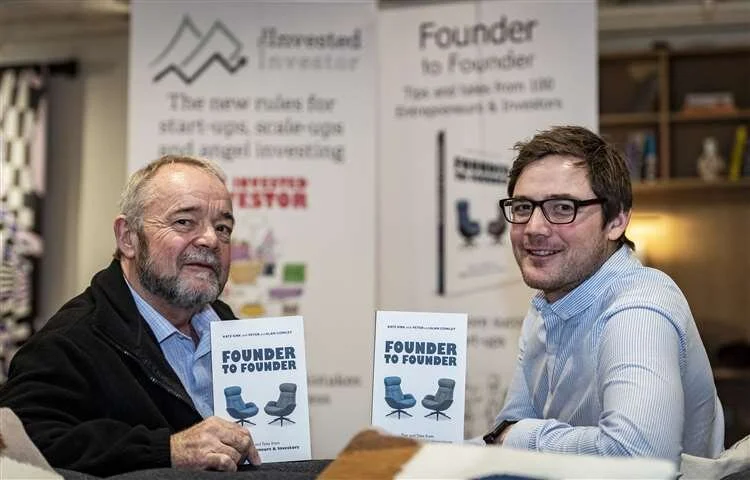
Second Invested Investor book looks at founders’ challenges
The second book from Cambridge publisher The Invested Investor was launched at WeWork on Station Road last week.

CIC a unicorn in its own right after wooing £1bn investment to Cambridge
Funding powerhouse Cambridge Innovation Capital has now attracted £1 billion of investment into Cambridge companies and managing partner Andrew Williamson has hired more Silicon Valley talent to ensure the technology cluster maintains its upward trajectory on the global stage.

LINX appoint Pieter Knook as New Chair for its Board
The London Internet Exchange (LINX) have recruited Pieter Knook as non-executive Chairperson for its Board of Directors.

UKBAA Angel of the Year Sunil Shah highlights the emerging opportunities in the biotech space and shares his experiences of working in it
Earlier this year, The Association of The British Pharmaceutical Industry (APBI) conducted research that found that life sciences was one of the highly innovative which could be responsible for contributing to a new wave of growth worth an extra £14 billion a year to the UK economy by 2025. The research found that life sciences could account for £8.5 billion of that growth and potentially create 31,400 more jobs.

Sunil Shah, CEO, o2h Discovery Wins Special Recognition Award by OBN UK Ltd
We are absolutely delighted to announce that Sunil Shah, CEO, o2h Discovery, has won the Special Recognition Award at the industry leading OBN Awards 2019 event organised by OBN (UK) Ltd, the membership organisation that supports the life sciences industry.

Chair of Raspberry Pi takes helm at Royal Academy of Engineering Enterprise Hub
David Cleevely CBE FREng has been appointed as Chair of the Royal Academy of Engineering Enterprise Committee, which oversees the highly successful Enterprise Hub. David will replace Ian Shott CBE FREng, the founding chair of the Enterprise Committee.

New Fellows 2019
The Academy is delighted to welcome its new Fellows for 2019: leading engineers from the UK and around the world who have been elected to the Royal Academy of Engineering in recognition of their outstanding and continuing contributions to the profession.
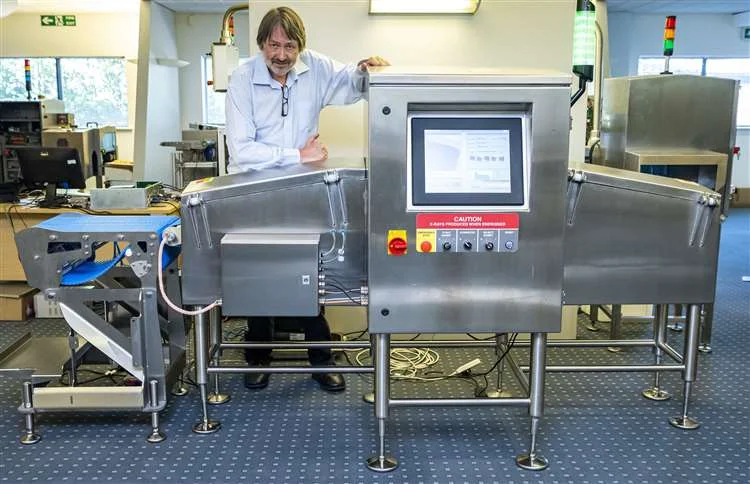
How Cheyney Design uses X-rays to keep our food free of foreign bodies
How do supermarkets ensure they keep unwanted bones out of fish or chicken?
And how do they spot if food is contaminated by a foreign body?

Cambridge on Cloud 9 as angels gather
Cambridge deals and the angel funders behind them look set to be in seventh heaven when the honours are handed out at an upcoming awards jamboree.
Cambridge deals and the angel funders behind them look set to be in seventh heaven when the honours are handed out at an upcoming awards jamboree.
The leading science & technology cluster has a strong contingent of finalists at the UK Business Angels Association Investment Awards in London on July 2.So many Cambridge deals have taken wing in the last 12 months, underlining how important angel funding is to help emerging businesses scale.
Cambridge serial entrepreneur and funder Sunil Shah is a finalist for the Angel Investor of the Year which recognises the most active and impactful angel investor in backing startup and early stage UK businesses during the past 12 months and who has brought not only vital risk capital, but also significant added value to support the growth and success of their portfolio.
Struan McDougall’s Cambridge Capital Group is up for Best Investment in Disruptive Tech sponsored by Innovate UK. This award recognises investment in an early stage, innovative high growth potential business that is harnessing the power of technology to bring a revolutionary and disruptive solution to a major market, industry or social challenge. CCG is also a finalist for its investment in Light Point Medical.
Cambridge businesses IQ Capital, Martlet, Amadeus Capital Partners and Cambridge Capital Group are finalists for the Best Investment in Deep Tech accolade.
This award recognises investment in an early stage entrepreneur that has embraced the power of deep technologies such as AI, machine learning, IOT or robotics to converge with key sectors and industries to achieve fundamental breakthroughs to key social or global challenges or needs.
24 Haymarket and Ahren Innovation Capital – the latter formed by ‘Cambridge dontrepreneurs’– are strongly fancied in the Co-investment Deal of the Year category for their investment in Mogrify. The Cambridge startup is poised to transform the development of life saving cell therapies via the licence of proprietary cell conversions tailored to any therapeutic application.
IQ Capital is in the running for Exit of the Year while Cambridge Angels, led by Peter Cowley, could take the prize for the most active and impactful angel syndicate or group in the UK.
The UK Business Angels Association, which has a base at The Bradfield Centre on Cambridge Science Park, is the national trade association for angel and early-stage investment, representing over 160 member organisations and around 18,000 investors.
Business angels in the UK collectively invest an estimated £1.5 billion per annum and are therefore the UK’s largest source of investment for startups and early-stage businesses seeking to grow.
For a full list of finalists visit https://awards.ukbaa.org.uk/the-2019-award-categories/finalists/

Cambridge University spin-out aiming to improve patient outcomes in mental health arena
Cambridge’s credentials as a nervecentre for mental health research have taken a fresh uptick as university spin-out Psyomics closes in on a major seed funding round and starts to scale.
Cambridge’s credentials as a nervecentre for mental health research have taken a fresh uptick as university spin-out Psyomics closes in on a major seed funding round and starts to scale.
Psyomics has impressive co-founders in Professor Sabine Bahn and former Horizon Discovery ace Dan Cowell, who is CEO. Barnaby Perks, founding CEO of Ieso, is a non-executive director; Anne Dobree of Cambridge Enterprise is current chair and Martin Glenn of Parkwalk Advisors is a non-executive director.
Professor Bahn previously founded Psynova Neureotech, along with Cambridge University dontrepreneur Professor Chris Lowe, which was a subsidiary of Rules-Based Medicine – acquired for $80 million by Nasdaq-quoted Myriad Genetics Inc in 2011.
With companies such as Ieso Digital and Congenica already powering the UK’s bid for world leadership in mental health digital technologies, the emergence of Psyomics could hardly be better timed.
Approximately one in four people in the UK experience mental health concerns each year. While advances in mental health research are being made, there remain significant barriers to effective detection, treatment and prevention.
Psyomics is looking to overcome these barriers by combining digital approaches with developments in biomarker technology to benefit those facing mental health challenges. The tools currently in development are targeted for both clinical and workplace settings, specifically designed to combat the respective mental health-related challenges faced within these environments.
In the future, the business plans to expand its reach to provide personalised solutions for the wider community, building on what Cowell calls a granular approach to the many and varied problems of mental health.
The company’s work is funded and supported by Cambridge Enterprise, the commercial arm of the university, and a Horizon 2020 grant from the European Commission.
Psyomics also won an innovation contest with IC Tomorrow and AXA PPP to look at mental health awareness and prevention in the workplace, and won the Problem Solution category of the AXA PPP Health Tech & You Awards. It was also awarded a grant from the Technology Strategy Board to further develop its technology for differentiating bipolar disorder from depression.
The new seed round – not quite a Series A, according to Cowell, will give Psyomics ample runway to build on its current 10 headcount and scale engagement with clinicians, including GPs.
Mental Health is the single largest cause of disability in the UK and the wider economic costs in England alone have been estimated at £105.2 billion a year. This includes direct costs of services, lost productivity at work and reduced quality of life.
Working closely with the Cambridge Centre for Neuropsychiatric Research, led by Professor Bahn, the mission is to develop digital tools and, for some challenges, biological tests, that can be used to develop a comprehensive understanding of an individual in complete confidence and then combined with an up-to-date record of scientific research, point the user towards sources of help and support as well as treatment options available.
The team is working on a range of tools for prevention and early detection in the workplace, diagnosis of depression and bipolar in a clinical setting and triage tools to be used in primary care.
Professor Bahn is a practising psychiatrist working with the cash-strapped NHS so can witness and appreciate all sides of the mental health debate. Psyomics is based at the Innovation Centre at Cambridge Science Park, soon to be replaced by a new state-of-the-art hub, and Cowell says the cluster provides the perfect springboard for growth of the business.
“We are still at a relatively early stage – almost in stealth – but have already built an impressive technology suite to ensure earlier and rapid diagnosis of mental health problems and optimum ways of treating them.
“There remains a stigma attached to mental health issues but the fact it is on the public agenda is a major advancement. One of the key challenges is to differentiate between people who are simply feeling low on occasions and those who may have more serious mental health issues but either don’t recognise them as such or feel restrained from seeking treatment.
“Our focus is on working with GPs and other clinicians on earlier diagnosis and to get product to market much more quickly; to more accurately identify problems much earlier so clinicians can deliver timely solutions.
“Dealing with mental health issues is not as clear cut as identifying and dealing with, say, a tumour or a broken leg – conditions that are more visible.
“Our model allows us to differentiate between people who occasionally feel down from those with deep-seated mental health problems; to identify those conditions earlier and to therefore ensure swift diagnosis and treatment. GPs and psychiatrists with whom we are engaged see the benefits of what out technology can bring.”
Cowell says that despite increasing awareness of the problems mental health issues cause to sufferers, their families, businesses and society, this area is still chronically underfunded.
Accuracy and speed of diagnosis of mental health problems is absolutely crucial for clinicians and patients: Psyomics has all the tools end expertise to improve patient outcomes and that, says Cowell, has to be the overarching mission.