

GeoSpock appoints new NED and secures further £2m investment from Parkwalk Advisors
GeoSpock® – the extreme-scale spatial big data integration company that provides analytics, builds insight, and enables predictions across space and time – has announced the appointment of Pontus Noren to a Non-Executive role on its Board of Directors, as well as a £2 million investment from Parkwalk Advisors.
GeoSpock® – the extreme-scale spatial big data integration company that provides analytics, builds insight, and enables predictions across space and time – has announced the appointment of Pontus Noren to a Non-Executive role on its Board of Directors, as well as a £2 million investment from Parkwalk Advisors.
Having recently closed a £10 million funding round, the additional £2 million from Parkwalk Advisors will provide continued support for GeoSpock’s international expansion and build on the company’s rapidly developing client accounts. This additional strategic support brings the company’s total amount raised to date to £21.25 million. Following this financial success, GeoSpock has undertaken a number of strategic decisions. This includes new appointments to its senior leadership team and advisory board, as well as the development of projects in targeted avenues to aid continued growth of the company.
Having worked in the IT industry for over 20 years, Noren brings a wealth of experience within the technology ecosystem. He is currently Vice Chairman of the Board at Cloudreach, an international cloud computing consultancy, where he was previously CEO. Under his leadership, the company was recognised as a Leader in the Gartner Magic Quadrant and also ranked top 25 in The Sunday Times Hiscox Tech 100 for two years running. Noren will now use his passion for innovative technology to help GeoSpock’s Board and executive teams drive the company’s next phase of growth.
Richard Baker, CEO, GeoSpock, comments: “We are delighted to announce the addition of Noren to our Board of Directors at this exciting period of growth for GeoSpock. I am hugely impressed with the wealth of knowledge and experience Noren brings to our business, and his expertise will be instrumental in helping to guide the continued expansion and success of GeoSpock. We also thank Parkwalk Advisors for their continued support as we strive to achieve our technological vision across industries spanning mobility, telco, and IoT, as well as smart city and maritime initiatives.”
Pontus Noren, Non-Executive, Board of Directors, GeoSpock, comments: “GeoSpock is a hugely exciting company and I’m inspired by its achievements so far, as well as its potential for the future. With its technology at the cutting edge of spatial big data, GeoSpock helps feed my passion for innovation. I look forward to playing a key role in the delivery of GeoSpock’s vision, and working with my Board colleagues and executive teams to build on the company’s further success.”
GeoSpock aims to become the de facto processing engine at the heart of next-generation infrastructure, including smart cities and the Internet of Everything (IoE), as well as powering future mobility applications, including the management of autonomous vehicle fleets. The company’s revolutionary data engine analyses extreme amounts of contextual data in sub-second response time.

Purr & Miaow launches Purr-cycle in partnership with Enval
Wet and dry cat food specialist Purr & Miaow has introduced Purr-cycle, a recycling initiative launched in the UK in partnership with Enval to prevent cat food pouches ending up as landfill.
Wet and dry cat food specialist Purr & Miaow has introduced Purr-cycle, a recycling initiative launched in the UK in partnership with Enval to prevent cat food pouches ending up as landfill.
Purr & Miaow noted that every year 10 billion pouches made of aluminum and plastic are sold in the pet food, baby food and drinks sectors, but only 20,000 of these currently recycled. The recycling rate of pouches is 50 times worse than that of the single-use coffee cups, it stated.
With a typical cat food owner using 1,000 pouches a year and 1.1 million cats in the UK, Purr & Miaow has launched Purr-cycle. To recycle with Purr-cycle, an order is placed online at www.purrandmiaow.com for 10 recycling bags for £9.99. This sees 10 prepaid envelopes delivered to post pouches back directly to Enval. As up to 25 pouches can be returned in each prepaid postage bag, this allows up to 250 pouches to be recycled at a cost of four pence per pouch. Enval, using its unique recycling technology, will separate the aluminum foil and the plastic in the pouches. The postage bags are also recycled.
The Enval process uses microwave-induced pyrolysis to heat and break down organic material, such as paper or plastic, in the absence of oxygen. It allows for the disposal of industrial and post-consumer waste while producing valuable products that can be used as chemical feedstock or to generate energy.
Pooch & Mutt founder Guy Blaskey launched Purr & Miaow to help the nation’s cats lead happier, healthier lives, but faced environmental concerns over the disposal of pet food pouches.
‘From our research, we know that cat owners love feeding cat pouches more than any other format, but we know that they want to have the option to recycle them,’ he commented. ‘For dogs, we launched in Tetra Pak which is a more environmentally-friendly option than a can or plastic tray. However, as of yet, there aren’t widely adopted schemes for the recycling of pouches. We couldn’t in good conscience launch pouches without partnering with someone capable of recycling them.’
Little Freddie, a premium organic baby and toddler food company, has partnered with Enval to introduce a similar zero-waste-to-landfill recycling scheme for pouches. With the launch of Purr-cycle, Purr & Miaow is the first pet food company to join what Enval is calling the ‘Laminates League’.
Carlos Ludlow-Palafox, Enval CEO, said: ‘We’re delighted to welcome Purr & Miaow as the newest member of the “Laminates League”. We receive increasing numbers of enquiries from cat owners asking if there is a way for them to recycle the pouches that they use and we look forward to being able to reply that now there is, and that by buying products from Purr & Miaow they will be supporting a brand that really puts environmental concerns at the top of their priorities.
‘Our aim with the Laminates League is to show local authorities, waste handling companies and material reprocessors that our technology is a reality and should be an essential part of their recycling plans. Creating integrated recycling solutions for materials that used to be trickier to deal with is what Enval is all about and we are delighted to be working with Purr & Miaow and Little Freddie, the organic baby food company, on this. These brands are offering customers a real circular economy recycling scheme for their post-consumer packaging. We hope to see many more brands follow suit.’
Purr-Cycle will operate on a not-for-profit basis. The Purr-cycle price covers the postage cost to customers, 10 freepost envelopes back and the recycling.
Blaskey added: ‘We’ll make no profits on Purr-cycle. We know that people will be willing to pay for the bags, as we know that consumers are more environmentally conscious than ever before. Sales of reusable coffee cups have soared throughout the UK in recent years because people are willing to spend more if it means they can contribute to helping the environment. It’s time to stop wasting enough pouches to cover the UK two times a day and start recycling today with Purr-cycle – no profits and no waste.’
Ieso Digital Health makes Tech Nation Future Fifty
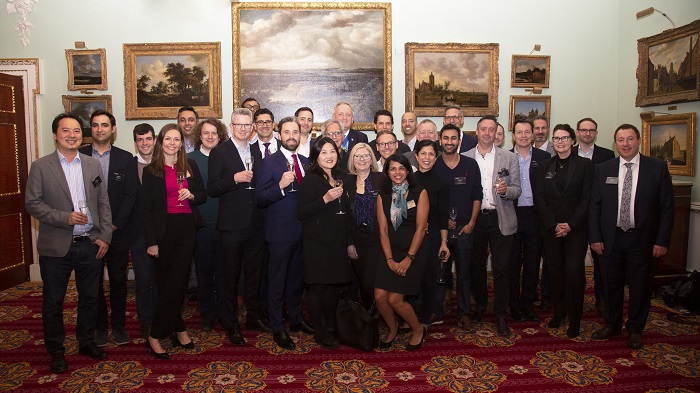
Tech Nation, the UK network for ambitious digital tech entrepreneurs, today reveals the 24 dynamic, fast-growing, late-stage technology companies selected to join its prestigious Future Fifty cohort in 2019. Among them is Cambridge-based Ieso Digital Health, a former participant in Cambridge Network's School for Scale-Ups.
Tech Nation, the UK network for ambitious digital tech entrepreneurs, today reveals the 24 dynamic, fast-growing, late-stage technology companies selected to join its prestigious Future Fifty cohort in 2019. Among them is Cambridge-based Ieso Digital Health, a former participant in Cambridge Network's School for Scale-Ups.
Darktrace and Featurespace - both Cambridge success stories - are already in the Future Fifty.
Future Fifty, established in 2013 to champion and support British tech businesses as they scale up their operations nationally and internationally – offering a window into the UK’s digital future. The programme supports these companies in creating jobs and opportunities across the UK, and inspiring the next generation of entrepreneurs.
Each company chosen for the 2019 cohort will benefit from access to the world’s leading experts – a powerful peer network to support and inspire, troubleshoot and collaborate, a tailored programme of masterclasses to help take businesses to the next level, and direct contact to senior decision-makers in Government. Meanwhile, access to the best global talent is made easier by a dedicated Tech Nation visa team which provides expert assistance with Tier 1 visa applications.
In just seven years, Future Fifty has already built an incredible network of more than 100 alumni businesses – including Deliveroo, Farfetch, Skyscanner, Made.com, Shazam, Just Eat and dozens of other household names.
Companies chosen to join the latest Future Fifty cohort must have gained considerable traction within their chosen markets and shown the potential to become global technology leaders of tomorrow.
Today’s announcement comes as the UK records another bumper year for VC investment – attracting $7.9bn in funding in 2018 – and closes the gap on the US for exits of venture backed companies, according to the latest data from Tech Nation/Dealroom. UK sales, IPOs and mergers were worth $40bn, putting it ahead of every other European country.
The rate of successful exits of venture capital-backed companies is one measure used by investors and commentators to calculate the success of a tech sector. The UK continues to be the most attractive destination in Europe for VC, attracting 1.8 times more investment in 2018 than France, and 1.6 times more than Germany. Over the past five years, it has been the biggest source of successful company exits in Europe, with sales and IPOs worth $119bn.
The Future Fifty 7.0 businesses reflects key trends in UK technology sectors. Fintech – currently attracting very high levels of investment – is an especially strong presence, with 10 out of 24 on the list offering technology-driven financial services. Other sectors represented include: Hardware & Internet of Things, Cyber Security, Software as a Service, Digital Media, Marketing & Adtech, Data Analytics, Ecommerce, and Healthcare. Around 60% of the ventures target B2B sales.
Significantly, the cohort reveals geographical diversity. Five of the new businesses are headquartered in regional cities: Cambridge, Bristol, Glasgow, Nottingham, and Watford. The programme extends over 24 months, and the companies coming on board in 2019 will be joining 26 businesses from the previous (2018) cohort.
The Success of Future Fifty
Since its launch in 2013, 127 businesses have taken part in the Future Fifty programme and the list of alumni includes some of the highest profile names in the technology sector, such as Skyscanner, Deliveroo, Funding Circle, Transferwise, and Just Eat.
The programme has an enviable track record of helping young and new entrepreneurs fulfil their ambitions. In this years cohort 72% of founders taking part have been first-time entrepreneurs.
Future Fifty alumni have been strikingly successful at raising funds. Figures compiled by Tech Nation indicate that companies participating in the programme between 2013 and 2018 have raised a combined $8bn via VC funding and capital markets. The sums raised each year have grown steadily over the lifetime of the programme, from $199m in 2013 to $2.5bn last year. In addition to a total of 29 M&A/trade sale deals, nine of the Future Fifty alumni have successfully taken their companies to market via IPOs (Initial Public Offerings).
The programme is supported by partners, Barclays and Macfarlanes, who offer their expertise to aid the companies' growth via roundtables, open hours and thought leadership. Barclays support ranges from bespoke operational banking, capital and funding, and supporting founders as they seek exit from the business. Macfarlanes help with raising new funds, planning for an initial public offering and international expansion, as well as, with their ongoing operational needs with regards to competition law compliance, tax, immigration, anti-trust and GDPR compliance.
Jeremy Wright, Secretary of State For Digital, Culture, Media and Sport, said: "The UK has a fantastic track record of producing globally successful tech companies and I'm pleased to see another diverse and impressive group of firms in Tech Nation’s 2019 Future Fifty Programme.
"The list highlights the underlying strength of our digital economy and emphasises its huge potential. We are doing all we can to make sure this vital industry continues to grow and our young businesses are given the right support to thrive.”
Peter Estlin, Lord Mayor of the City of London, said: “London’s tech and innovation sector is world-leading, and tech is also flourishing in other cities across the UK. The important thing now is to give our tech companies the best possible chance of sustained success – and the Future Fifty programme is playing a key role in that.”
Parveen Dhanda, Future Fifty Programme Lead at Tech Nation, said: “The companies we’ve selected are established in their chosen markets and are at the point where they can look forward to scaling up rapidly. These are incredibly talented and visionary entrepreneurs. The peer connections and access to global experts that is on offer will help them fully deliver on their potential.”
Mike Jackson, Entrepreneur Success Director at Tech Nation, added: “Scaling up a business is exciting but also challenging. The most pressing challenges Future Fifty companies face are finding top talent, scaling culture and management and going global. The record of Future Fifty shows that with the right help and support all those challenges can be successfully overcome.”
Anne Boden, CEO, Starling Bank, said: “Banking is going through a period of radical change and Starling Bank has played a key role in disrupting the old order and driving better and more responsive services. We’re really looking forward to working with other entrepreneurs from our own and other sectors.”
Silas Adekunie, CEO and co-founder of Reach Robotics said: “When we launched in 2013, we had an ambition to revolutionise consumer robotics by making cutting-edge technology truly accessible. We’ve come a long way in a short period of time as we realise our core vision of using robotics to entertain, inspire and educate. With a new EDU programme
on the horizon, we're poised to take the business to the next level. Taking part in Future Fifty is a fantastic opportunity, not only to learn more from people who have already been successful in scaling up their companies, but also to interact with and learn from our peers on the programme.”
Dr Nigel Pitchford, CEO, Ieso Digital Health said: “To be included in this year’s Future Fifty cohort alongside some of the best companies in UK tech is recognition - for everyone at Ieso - of what we’ve achieved to date. I’m immensely proud of the team, and the business that we’ve built together."
Jon Slade, CEO, ENSEK said: “We’re delighted to be recognised as one of the UK’s most successful digital businesses in Tech Nation’s Future Fifty. The previous alumni contains some hugely impressive names. To be listed in the same company is a testament to our teams’ commitment to innovation in our sector.”
Dr Graeme Malcolm OBE, CEO and founder at M Squared said: "We are delighted to have been named as one of Tech Nation’s Future Fifty amongst a group of brilliant businesses that we stand alongside at the forefront of innovation. M Squared has carved out a niche as the UK’s leading developer of photonic and quantum technologies that enable new applications and industries - to address some of society’s greatest challenges. We are using the world’s purest light to help measure global atmospheric pollution and climate change gases, microscopically image degenerative brain diseases and realise the potential of quantum computing. Collaboration has always been at the heart of science and part of M Squared's DNA, and we look forward to working with a new network of tech companies for the betterment of society.”
Mark Loney, CEO, StarLeaf, said: “I am delighted that StarLeaf has been recognized in the Future Fifty programme. Our strong growth and expanding global footprint reflect the continuous investment we have made in regional sales, engineering expertise, and innovation. StarLeaf’s cloud-based solutions are transforming the meeting room experience for our enterprise customers, which allows their users to securely meet and share in an instant.”
Find out more about Cambridge Network's School for Scale-Ups>>>
2019 companies: this year’s Future Fifty cohort
Aire: Aire exists to enable access to credit, while stopping the burden of debt for people.
London | Fintech |@AireScore
Behavox: Behavox is the people analytics company that gathers and interprets employee data in a corporate environment to understand the behavior of an organization.
London | Data Analytics | @Behavox
Bizuma: Bizuma's core goal is to empower any business, of any size, to trade globally.
London | Ecommerce and Marketplaces | @BizumaHQ
Blockchain: Blockchain is the largest software provider for digital currency and distributed ledger technology and provides the world’s most popular digital wallet with over 34 million customers. Through the use of new technology, we are revolutionizing the $14T financial services industry to build a more open, accessible, and fair financial future. Founded in 2011, Blockchain has raised over $70 million in funding from leading investors including Lightspeed Venture Partners and Google Ventures.
London | Fintech |@Blockchain
Bulb Energy: The UK's fastest growing energy supplier, providing affordable renewable energy to more than 1 million members across the UK.
London | Hardware Devices and Internet of Things | @bulbenergy
Culture Trip: A global startup merging travel, media and entertainment, producing location-based inspiration from around the world, including articles, videos, photography, illustration and animation.
London | Digital Entertainment | @CultureTrip
Currencycloud: Currencycloud‘s enterprise-class, global platform is the power inside countless businesses, driving the transformation of the global payments landscape.
London | Fintech |@currencycloud
ENSEK: ENSEK provide leading SaaS software to create a unique combination of tailored solutions in the energy industry. We focus on removing stifling complexities in the energy supplier market by enabling better: market entry, data management, and customer engagement. ENSEK empower market entrants, growing mid-markets
and enterprise companies to meet their customer needs and deliver their commercial ambitions.
Nottingham | Software as a Service
Garrison Technology: Providing ultra-secure browsing.
London | Cyber Security | @garrison_tech
GlobalWebIndex: A market research platform that provides audience insight across 45 countries to the world’s largest brands, marketing agencies and media organizations.
London | Adtech and Marketing | @globalwebindex
Ieso Digital Health: A world-leading digital therapeutic company tackling mental illness.
Cambridge | Biotech and Healthcare | @iesohealth
Kimble Applications: The global leader in professional services automation (PSA) software - helping professional services organisations run their project-based businesses better.
London | Software as a Service | @KimbleApps
M Squared Lasers: A photonics and quantum technology company, designing and manufacturing advanced laser systems and applications.
Glasgow | Hardware Devices and Internet of Things | @m2lasers
MarketInvoice: MarketInvoice is a business finance company. They are the are Europe’s largest online invoice finance platform, helping businesses take charge of their cash flow – quickly and easily.
London | Fintech | @marketinvoice
Mediatonic:Leading mobile game developer and independent PC game publisher.
London | Digital Entertainment |@mediatonic
Monzo Bank: Mobile-first personal and business banking.
London | Fintech | @monzo
Nested: The modern estate agent, reinventing how we buy and sell homes by offering smarter service and the ability to move chain free.
London | Fintech |@nested
Perkbox:Perkbox is an employee experience platform, creating a better society by helping employees succeed, in life and at work.
London | Enterprise Software | @perkbox
Quantexa: An enterprise intelligence company, empowering organisations to drive confident decisions from their data and better understand their customers.
London | Enterprise Software | @quantexa
Reach Robotics: Combining robotics, augmented reality and gaming to build a new entertainment and education platform.
Bristol | Hardware Devices and Internet of Things | @ReachRobotics
Revolut: App-based current account, with fee-free foreign spending, currency exchange and international transfers.
London | Fintech | @RevolutApp
Salary Finance: Salary Finance is an employee financial wellbeing strategy and solutions provider helping millions of people around the world become financially healthier and happier.
London | Fintech | @salaryfin
StarLeaf: StarLeaf is a pioneering leader in engineering intuitively intelligent solutions that help organizations seamlessly collaborate through superior video conferencing, secure app-based messaging, and integrated cloud-based meeting room systems.
Watford | Fintech |@StarLeafCo
Starling Bank: Mobile personal, business and joint accounts on Android and iOS, and marketplace allowing customers to access to a wide range of complementary financial products through its app.
London | Fintech |@StarlingBank
Existing companies:
BigChange Apps:paperless planning, management, scheduling and tracking for any mobile workforce.
Biosite Systems:integrated solutions to manage, monitor and maximise construction site safety and security.
Captify: consumer search behaviour analysis for media and brands.
Checkout: online payment solutions and consulting services.
Click Travel: reducing the cost and complexity of business travel management with technology.
CloudSense: connected, digital-first customer experiences that increase speed and reduce cost.
Darktrace: machine learning and AI algorithms to detect and respond to cyber-threats across diverse digital environments.
EDITED: analytics for fashion retailers.
Egress Software Technologies: on-demand collaboration service enabling secure information sharing.
Featurespace: real-time fraud and risk management using anomaly detection to analyse complex behavioural data.
Firefly: online tool that brings together teachers, students and parents.
Infectious Media: partners with global brands to deliver effective and efficient media campaigns.
Ixaris: enables businesses to profit from the payments they make.
LendInvest: technology that makes the process of getting a mortgage simpler, faster and more efficient.
Masabi: London-based global leader in mobile ticketing and innovative fare collection for public transport.
Memrise: teaching languages with games, humorous chatbots and over 30,000 native speaker videos.
MPB Group: revolutionising the experience of selling unwanted photographic equipment.
OakNorth: UK bank that provides fast, flexible and accessible debt finance (from £500k to £20m) to small and medium-sized enterprises.
OpenSignal: mobile analytics company modernizing how the wireless industry measures network performance.
Paddle: a single platform for software companies that solves every part of the sales process.
Semafone: software for contact centres so they can take personal data securely over the telephone.
SIMBA: disrupting the global sleep market with a direct-to-door omnichannel retail model and award-winning one-type-fits-all hybrid mattress.
SportPursuit: showcases the best specialist sports and outdoor brands in week-long sales at prices that are not available anywhere else.
Trouva: destination for shopping the world’s best independent shops, enabling customers to discover homeware and accessories you cannot find elsewhere.
UKCloud: provides a wide range of the multi-cloud platforms for the exclusive use of organisations within the public and healthcare sector in the UK.
ZappiStore: the most transformative, automated platform for buying cost-effective research services at lightning speed.

Ieso wins major accolade in Business Weekly Awards
Ieso Digital Health has been crowned Business of the Year in the 29th annual Business Weekly Awards, held at Queens’ College in Cambridge.
Ieso Digital Health has been crowned Business of the Year in the 29th annual Business Weekly Awards, held at Queens’ College in Cambridge.
Ieso provides live, one-to-one cognitive behavioural therapy on behalf of the NHS and some of America’s biggest healthcare providers.
It is now integrating Artificial Intelligence into its platform for the first time, enabling therapists to receive date-led insights about each patient during the assessment stage of treatment, providing them with predictions of a patient’s presenting condition, severity of presentation and likelihood of completing a full course of therapy.
Kevin Calder, for sponsor Mills & Reeve told 250 local and international guests at the presentation dinner: “The platform encompasses the therapy, guides the therapist and improves therapy, as demonstrated by ever improving outcomes – something that has not been achieved in important areas like depression for 30 years.
“Ieso is also partnering with leading US institutions (Harvard and the Beck Institute), to help with the Ieso training in what will be a massive market opportunity for the business.”

CCS raises over $10m to underpin further growth
Cambridge Communication Systems (CCS) has raised more than $10 million to back continued expansion in its technology and territories covered.
Cambridge Communication Systems (CCS) has raised more than $10 million to back continued expansion in its technology and territories covered.
The strategic funding round includes support from existing investors Cambridge Angels, ADTRAN and Etagra Group, plus a new partnership with UK deep-tech venture capital fund IQ Capital.
It is believed Alabama-based commstech business ADTRAN invested around $5m. CCS says the cash will accelerate development of its next-generation access and backhaul solution suite.
CCS Executive chairman, Martin Harriman said: “We are delighted to welcome existing investors to the next phase of our commercial story and to be formalising new stakeholder relationships.
“This major strategic investment will speed delivery of our next-generation product roadmap, and enable us to accelerate our ambitious market growth plans across key territories and target application areas, including gigabit FWA.”
This latest investment helps advance further development of CCS’s proven and innovative wireless access and backhaul portfolio. CCS’s Metnet 1200 mmWave solution in the licensed 24/26/28GHz bands – along with its next-generation Metnet 60G product in the unlicensed 60GHz mmWave bands – are being assessed and deployed in customer networks around the world.
Max Bautin, managing partner at IQ Capital said: “CCS is an exciting addition to our investment portfolio, having demonstrated the strategic value of its software defined network tech through its world-leading commercial deployments.
“CCS offers a unique solution for mobile operators and service providers, and is strategically well-placed to deliver the FWA access and backhaul connectivity that will drive the next generation of network densification and enable ubiquitous 5G services for mobile users globally.”
For the record, The IQ Capital team has achieved over 20 exits to date, to companies including Oracle, Google, Apple, Huawei and Facebook and several IPOs. It has led 28 investments over the last three years and will continue to actively invest from its new £125 million fund launched in 2018.

ThirdEye security platform raises over £2m
European venture capital firm Octopus Ventures and True, the retail and consumer sector specialist investor, have co-invested in ThirdEye, the AI-driven security platform for retailers.
European venture capital firm Octopus Ventures and True, the retail and consumer sector specialist investor, have co-invested in ThirdEye, the AI-driven security platform for retailers.
Original Seed investor Episode 1 Ventures also participated in this round.
ThirdEye has built a machine learning platform that conducts real-time deep learning on CCTV video steam in a bid to detect theft.
The platform works by leveraging existing security cameras and in-store devices to equip members of retail staff with an AI assistant that analyses shop floor activity. The analysis can help detect theft in real-time, as well as notify staff of other shopping habits and events that require their action, helping to maximise staff resource.
ThirdEye’s patented technology can also be used to gain market insights, eliminate queues and improve store operations. However, the use-case for theft reduction presents the greatest financial returns for retailers: The BRC Retail Crime Survey estimates that UK retail lost over half a billion pounds due to customer theft during 2016-17.
ThirdEye’s ongoing positive pilot programs with the UK’s leading retailers, demonstrate how it could play a vital role in lowering these figures – ThirdEye’s Checkout Theft Detector caught an average of 27 thefts per camera per month.
The capital will be used by ThirdEye to strengthen its team and proprietary technology platform in preparation for a wider commercial roll out across Europe.
Raz Ghafoor, ThirdEye’s Founder said: “After years of hard work from the ThirdEye team and strong encouragement from our early customers, we’re excited to take on this scale-up capital to grow ThirdEye and help fulfil our vision for the AI augmented store of the future.
“We’re particularly proud that we’ve convinced Octopus Ventures and True, two of the best names in UK VC, to support us on our journey.”
Zoe Chambers, future of industry lead at Octopus Ventures, added: “Figures this year have shown investment in AI is on the rise and on track to become one of the most transformative technologies of the next decade. ThirdEye has developed technology that is already making a real difference to retailers across the country.”
Oksana Stowe, True’s growth principal commented: “As investors in fit-for-the-future retail solutions we’re excited to have invested in a machine-learning platform with the potential to save the retail industry millions of pounds. We believe traditional bricks and mortar is transitioning to being experience-led, and ThirdEye is uniquely positioned to support continued activity on the high street and play a significant role in shaping the technological make-up of stores.”

Paragraf set to produce commercial amounts of graphene
Paragraf, a Cambridge University spin-out, is now able to produce graphene ‘wafers’ and graphene-based electronic devices that can be used in transistors, where graphene-based chips will be able to deliver speeds ten times faster than silicon chips.
Paragraf, a Cambridge University spin-out, is now able to produce graphene ‘wafers’ and graphene-based electronic devices that can be used in transistors, where graphene-based chips will be able to deliver speeds ten times faster than silicon chips.
According to the company the wafers could also be used in chemical and electrical sensors, where the use of graphene could increase sensitivity by a factor of more than 30.
The company’s first device will be available in the next few months.
The widespread commercial application of graphene in electronic devices has been held back by difficulties associated with producing it at good enough quality and in sufficient volumes. The conventional way of making large-area graphene involves using copper as a catalyst which contaminates the graphene, making it unsuitable for electronic applications.
Professor Sir Colin Humphreys from the Centre for Gallium Nitride in Cambridge’s Department of Materials Science and Metallurgy, along with his former postdoctoral researchers Dr Simon Thomas and Dr Ivor Guiney, developed an innovative method to make large-area graphene back in 2015 and were able to form high-quality graphene wafers up to eight inches in diameter, ahead of other universities, but also companies like IBM, Intel and Samsung.
Paragraf was spun out in early 2018. Dr. Thomas is currently the company’s CEO and Dr. Guiney is its Chief Technology Officer, while Prof. Humphreys, who has recently moved to Queen Mary University of London, serves as Chair.
To date, Paragraf has received £2.9 million in funding to support the development of its first commercial products and it was able to move into new premises in February 2018. The funding round was led by Cambridge Enterprise, the University’s commercialisation arm. Paragraf currently employs 16 people and has filed eight patents.
“Paragraf has the potential to transform a wide range of industries, including electronics, energy and healthcare,” said Dr. Humphreys. “It will enable the basic science results achieved in laboratories worldwide using small graphene flakes to be commercially exploited in graphene-based devices and to realise the potential and benefits to society of graphene, the wonder material.”
The original research was funded by the Engineering and Physical Sciences Research Council (EPSRC).
Ieso takes world-first AI-enabled mental health treatment platform live
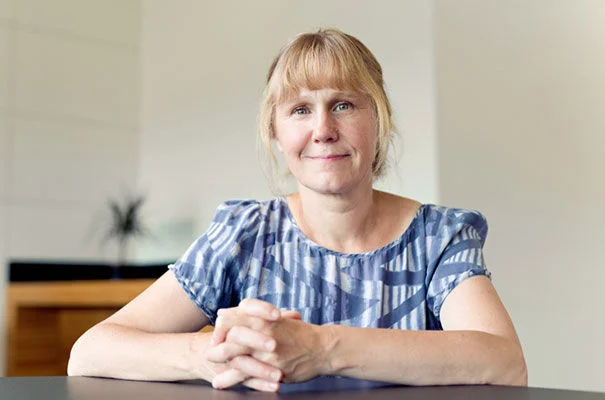
Mental health technology innovator Ieso Digital Health in Cambridge is integrating Artificial Intelligence into its therapist platform for the first time.
Mental health technology innovator Ieso Digital Health in Cambridge is integrating Artificial Intelligence into its therapist platform for the first time.
The move will enable therapists in the UK and US to receive data-led insights about each patient during the assessment stage of treatment, providing them with predictions of a patient's presenting condition, severity of presentation and likelihood of completing a full course of therapy It is the first time AI has been deployed in this way on an international scale.
Ieso, which provides live, one-to-one, cognitive behavioural therapy (CBT) online on behalf of the NHS and some of the America’s biggest healthcare providers, is the only company using AI to assist therapists treating patients who suffer from mental health conditions. It is the first time deep learning tools are being used to support clinicians in this context.
The new feature, known as the clinical decision support tool, will be made available to Ieso’s therapists in the UK with a phased release planned with Ieso’s US customers throughout the year.
The clinical decision support tool is available via Ieso’s bespoke online therapy platform, which runs on Microsoft Azure. The tool has been built using advanced data science techniques to analyse the data from tens-of-thousands of cases of online therapy.
The clinical decision support tool uses AI to advise clinicians on a patient’s primary presenting problem. This gives them the best chance of making an accurate, evidence-based diagnosis, and enables the delivery of more effective treatment. It will also help therapists identify patients who are likely to drop out of treatment, allowing them to take action to increase chances of recovery.
Ieso’s method of delivering CBT through written conversation means that, unlike spoken sessions, the efficacy of treatments can be measured, improved, and ultimately tailored to the person receiving it.
The data science team have extracted the raw, anonymised, information from a self-assessment questionnaire that all new patients fill out.
Sarah Bateup, chief clinical officer at Ieso, says: “This is an incredibly important milestone in our efforts to push recovery rates to the highest that have been seen in psychological therapy services.
“Our therapists all receive training to the highest standard, but we believe that our AI technology will be an important reflective tool for them, allowing them access to the experience of hundreds of colleagues instantaneously.
“It is my belief that this will help shape the way we measure, improve, tailor and deliver CBT for years to come. This is only the beginning, but it’s an important start.”
Dr Valentin Tablan, senior VP of AI at Ieso, adds: “The treatment of physical health conditions have long benefited from advances of technology, with devices such as X-Ray and MRI scanners revolutionising treatment.
“Now, as AI and machine learning technology evolves, it is important that we integrate it into the treatment of mental health, so those patients too may benefit from the advancement of technology.
“We hope to engage with the NHS and other partners to continue to develop this technology. Only by working together as a community can we help make sure that everyone receives the mental health support they need when they need it.”

Geospock and Smart Cambridge form commercial smart city partnership
GeoSpock, an extreme-scale spatial big data company has formed an commercial alliance with the Greater Cambridge Partnership, which is the first public sector organisation to sign up to its G-Cloud initiative
GeoSpock, an extreme-scale spatial big data company has formed an commercial alliance with the Greater Cambridge Partnership, which is the first public sector organisation to sign up to its G-Cloud initiative,
The Smart Cambridge team will use GeoSpock’s spatial big data platform to develop a data-first smart city strategy and improve decision making. This will support the work of the Greater Cambridge Partnership and is expected to bring tangible benefits to the lives of residents, businesses and visitors, including improvements to traffic flow and citizen mobility, as well as to environmental initiatives and the future planning of the city.
GeoSpock will unlock siloed data with the region and provide a ‘common data transformation’ platform as a service, run on Amazon AWS Cloud. Smart Cambridge will use this to share information for the benefit of its staff and third-party organisations working on urban innovation projects. The company claims that this approach will allow local councils to better plan for the future development of new homes and businesses, as well as for public utilities and infrastructure, such as electric charging points, smart roads, autonomous bus routes, and smart energy networks. Predictive analysis and real-time management of people’s needs will also allow councils to plan resourcing ahead of time and improve sustainability.
Richard Baker, CEO of GeoSpock, said: “Cambridge is one of the leading and most progressive smart cities in the UK, and we’re thrilled to be embarking on this partnership to showcase how GeoSpock’s technology can develop the city’s future smart ecosystem. We are passionate about delivering better contextual understanding to enable more informed decisions for the benefit of the citizens, visitors, and businesses of the region – particularly as the area is also home to GeoSpock’s headquarters.”
Claire Ruskin, executive board member for the Greater Cambridge Partnership, and CEO of Cambridge Network, added:“GeoSpock’s spatial big data platform is extremely impressive and I’m eager to see the successes we can achieve together. This is an exciting new relationship for the Greater Cambridge Partnership that will provide a digital platform to support the transport infrastructure investments taking place in our region. By bringing together data that is currently locked in separate silos, Smart Cambridge will be able to input into decisions that enhance people’s access between homes and daily destinations, optimise traffic flow, and reduce CO2 emissions.”

Michael LeGoff appointed as new CEO of Sorex Sensors
Sorex Sensors has appointed Michael LeGoff as its new chief executive officer.
A founder and former CEO of the electronics pioneer Plessey Semiconductors, with more than 25 years of industry experience on commercialising technology, Mr LeGoff’s aim is to take the company to production at scale.
A University of Cambridge spin-out, the sensor technology company based at Botanic House in Hills Road raised £1.2million in seed funding last year from Cambridge Enterprise, the Cambridge Angels and Cambridge Capital Group.
It has created a novel mass sensor based on film bulk acoustic resonator (FBAR) technology.
As thin as a human hair, the sensor can be arranged into arrays on the same chip to measure different targets simultaneously.
Its high mass sensitivity goes down to one femtogram – the weight of the average virus particle - giving the technology initial applications that including monitoring vehicle emissions, measuring industrial air quality, the detection of various biomolecular structures in the body and improving the performance and accuracy of atomic layer deposition tools, a key element in the fabrication of semiconductor devices.
Its power source can be a coin cell battery, a mobile phone or even energy harvesting devices.
Mr LeGoff said: “Sorex Sensors is poised to transform a whole range of industries with its innovative sensor technology.
“The team has done a fantastic job in bringing its novel sensing technology close to the product launch stage. We are now focusing on a few key industrial applications where the technology will have an immediate and tangible impact, creating real demand. It’s great to be involved in a business where the path to scale production is relatively clear.”
Mr LeGoff takes up his new appointment with immediate effect, with former Sorex Sensors CEO John Pritchard supporting the business in an advisory role until mid-April.
Prof Andrew Flewitt, co-founder and chairman of Sorex Sensors, said: “We are delighted to have Michael join the team. We are looking forward to this next phase of development, both in terms of products and commercial traction in our early-stage business. John has been hugely influential in getting us to this stage, including putting together the seed round and developing the early-stage strategy for the company. Michael and the team have a great platform to build on.”

Business Weekly Awards shortlist announced
The Business Weekly Awards shortlist, unveiled today, precisely reflects why Cambridge and the East of England innovation cluster is rated so highly on the global stage.
The Business Weekly Awards shortlist, unveiled today, precisely reflects why Cambridge and the East of England innovation cluster is rated so highly on the global stage.
Wherever one looks, there is world-class and influential science & technology or smart solutions to business or lifestyle problems conjured by a truly entrepreneurial community.
The 35 companies listed below are shortlisted in the mainstream categories of the Awards.
They do not include the new UK|China Business Award, the Kate Gross Prize for Social Enterprise or any of the four University of Cambridge prizes backed by Cambridge Enterprise and Judge Business School.
All these awards, including Cambridge Graduate Business of the Year, Woman Entrepreneur of the Year, Academic Entrepreneur of the Year and Lifetime Achievement segments, are being judged independently. Put together the competition showcases the best companies and the top entrepreneurs driving this region to ever greater glories. The Awards build a bridge between industry and academia and between the UK and other key trading nations.
The quality of the shortlisted businesses in Startup of the Year, Disruptive Technology, Engineering Excellence, Life Science Innovation and International Trade is self evident. Most entries were received for Life Science Innovation and Disruptive Technology, which one would expect from such a Science & Technology driven region.
The behind-scenes judging process now kicks on and will take in a mix of analysis from specifically prepared reports to inside intel and news updates along the way to the official announcement of winners at the invitation-only presentation dinner at Queens’ College, Cambridge, on Wednesday March 20. Companies are now free to maximise publicity around their elevation to the shortlist.
It should be added that while companies chose to enter specific categories, they were clearly being modest about the capabilities of their proposition so Business Weekly and the judging panel have used their discretion and a large number will be judged across more than one segment of the Awards.
Judges will select a Business of the Year – a company with a real wow factor based on the last 12 months of trading activity – from all the categories.
Shortlisted companies
AlphaBio Control
Delivers effective low impact crop protection solutions through innovations derived from forward edge developments in the science of natural chemistry and biology.
Arm
From providing the IP for the chip to delivering the cloud services that allow organisations to securely manage the deployment of products throughout their lifecycle, Arm delivers a complete Internet of Things solution for partners and customers across the globe.
Avacta
Its mission is to shape the future of medicine by developing safe and efficacious drugs based on its proprietary Affimer® platform and by providing powerful Affimer® reagents for research and diagnostics.
Babraham Bioscience Technologies
BBT is responsible for the commercial development of the Babraham Research Campus which is distinct in its co-location of bioscience companies with the Babraham Institute, a world-renowned research organisation. The campus provides companies with laboratory and office space together with access to outstanding scientific facilities.
Bridge Fibre
Bridge Fibre provides award-winning premium fibre connectivity, hosting and telephony services to SMEs, larger enterprises, business parks and science parks nationwide.
Camcon Medical
Camcon Medical applies its revolutionary patented Binary Actuation Technology to any area of healthcare or life sciences with precise, rapid and low energy control of fluid and gas flow.
Cofinitive
A growing team of communication experts based in Cambridge with a strong reputation for co-creating impactful communication programmes with clients locally, nationally and globally.
Crescendo Biologics
A biopharma company developing potent, multi-functional Humabody® therapeutics in oncology with a proprietary pipeline focus on CB307, a unique targeted T-cell engager.
CyanConnode
CyanConnode designs and develops narrowband RF mesh networks for Internet of Things communications.
Domino Printing Sciences
The company is a world leader in hi-tech coding & marking solutions for a range of industries from food & beverage to the life sciences and personal care.
Evonetix
Evonetix develops tech that enables the parallel synthesis of DNA on silicon arrays to facilitate the fast-emerging field of synthetic biology.
Expedeon
Expedeon is an expert in cutting-edge innovative reagents and services for life sciences and diagnostics.
FlexEnable
FlexEnable has developed the world’s first industrially-proven organic transistor technology platform – the key to truly flexible and cost-effective electronics over large and small surfaces.
Fluidic Analytics
Fluidic Analytics envisions a world where information about proteins and their behaviour transforms our understanding of how the biological world operates and helps all of us make better decisions about how we diagnose diseases, develop treatments and maintain our personal wellbeing.
F-star
F-star develops genuine monoclonal bispecific antibodies that can bind two different targets at the same time, for use as “2-in-1” drugs.
Glyconics
Glyconics is at the forefront of diagnostic innovation, using infrared spectroscopy to analyse samples for proprietary markers of disease across a wide range of conditions.
Healx
The company’s AI platform HealNet enables highly parallel and large-scale rare disease drug discovery, significantly reducing time, cost and risk.
Ieso Digital Health
Ieso is the UK’s flagship provider of digitally-enabled and evidence-based cognitive behavioural therapy (CBT) available through the NHS.
KisanHub
KisanHub is helping drive a massive technology-driven shift in agriculture. It works at the intersection of precision agriculture, big data, cloud computing and mobile to deliver clear decision points to farmers and agri-enterprises.
LIFNanoRx
LIFNano Therapeutics is a spin-out from the University of Cambridge, progressing to a clinical stage NanoBioMedicine company specifically focused on targeted delivery of the biologic, Leukaemia Inhibitory Factor (LIF).
Luminance
Providing an AI platform for the legal profession, Luminance helps in-house teams with the growing demands of digitalisation, sweeping global regulatory change and stretched resources. Lawyers can identify exposure, focus their outsourcing and save significant time and resources for their organisation.
Microbiotica
Microbiotica identifies gut bacteria linked to phenotype with unprecedented precision in order to discover and develop live bacterial therapeutics and biomarkers.
Mogrify
Mogrify can convert any mature cell type into any other mature cell type without going through a pluripotent stem cell – or even a progenitor cell-state.
OKRA Technologies
OKRA is an artificial intelligence data analytics company for healthcare, allowing professionals to combine multiple complex data sets and generate evidence-based insights in real time to save and improve human lives.
Owlstone Medical
Owlstone Medical has developed a breathalyser for disease for the early detection of cancer, inflammatory and infectious disease and its mission is to save 100,000 lives and $1.5bn in healthcare costs.
PBD Biotech
PBD Biotech specialises in novel phage-based diagnostic technology in the field of veterinary diagnostics.
PhoreMost
PhoreMost is a drug discovery company, which engages in identifying new druggable targets for cancer and other unmet diseases.
PragmatIC
PragmatIC is a world leader in ultra low cost flexible electronics, enabling the potential for trillions of smart objects that can engage with consumers and their environments.
PredictImmune
PredictImmune is developing pioneering tools for guiding treatment options in immune-mediated inflammatory diseases with the first product addressing inflammatory bowel disease.
Priority Digital Health
Helps manage demand and improve access to the right services in primary care, well-being and community services through cutting edge digital products and platforms.
Repositive
The global exchange for genomic data is accelerating medical progress by connecting data providers and researchers.
Speechmatics
As experts in Machine Learning, Speechmatics provides Automatic Speech Recognition available in private or public clouds and securely on-premises.
Sphere Fluidics
Its novel single cell analysis systems offer the rapid screening and characterisation of single cells. These systems are underpinned by patented picodroplet technology, specifically designed to increase the chances of finding that rare ‘one-in-a-billion’ molecule or cell that could be an industry blockbuster.
Syrona Women
Two Cambridge entrepreneurs – Anya Roy and Chantelle Bell – co-founded the startup aiming to help women to detect early signs of cervical cancer and other gynaecological diseases.
Third Light
A Third Light digital media library brings together all your files, for all your people. Digital Asset Management Software manages your images, videos, and documents in a central workspace.
Zettlex (UK) Ltd
Zettlex designs and manufactures high-precision position sensors for measurement of position and speed, with a worldwide technical sales and support network.

Ministry of Defence selects Wazoku to improve innovation
UK Central Government department, the Ministry of Defence (MOD) has selected Wazoku’s idea management platform, Idea Spotlight, to drive digital innovation and idea management across its entire network: The Royal Navy, British Army, the Royal Air Force, Joint Forces Command and Defence Infrastructure Organisation.
New platform looks to build on previous innovation successes by increasing staff engagement and the volume of ideas
London, United Kingdom. 05 February 2019 – UK Central Government department, the Ministry of Defence (MOD) has selected Wazoku’s idea management platform, Idea Spotlight, to drive digital innovation and idea management across its entire network: The Royal Navy, British Army, the Royal Air Force, Joint Forces Command and Defence Infrastructure Organisation.
The Ministry of Defence is replacing its existing idea platform, GEMS Scheme, with Wazoku. The MOD is looking to build on the success of the GEMS Scheme by making it easier for staff to be directly involved in innovation, engaging the people that are best placed to identify issues, problems and opportunities. Idea Spotlight is seen as the best way of achieving those goals.
“We are looking forward to partnering with Wazoku to build on our experience of delivering and managing an innovative idea management programme,” said Stuart Laws, Defence Innovation – Ideas. “MOD is proud of the commitment and dedication demonstrated by our people, and through Wazoku’s idea management solution we will ensure that the MOD continues to recognise and reward that dedication.”
Since the launch of the GEMS Scheme in 2012, it has achieved approximate savings of £14M and efficiencies of £37M, engaging around 11% of the Department. More than 5,000 ideas have been submitted, with 466 being taken forward. With the Wazoku implementation, the MOD is aiming to see a significant increase in engagement with the new platform and many more ideas flowing into the system.
The MOD aims to ensure that the UK armed forces have the training, equipment and support necessary for their work, and is always looking to innovate to help keep pace with developments around the world.
Idea Spotlight is used by a variety of businesses and public sector organisations to capture, evaluate, improve and implement ideas from all across an ecosystem. It’s a highly collaborative platform that makes it simple to discuss and develop ideas and comes with a range of features to make the entire idea process more engaging and effective. These features include a dynamic archive, that allows staff to be notified about previously submitted ideas so they can incorporate them into new recommendations where applicable.
“We have a rich heritage of working with the public sector so are delighted to now have the chance to work with the Ministry of Defence,” said Simon Hill, CEO and founder, Wazoku. “It’s an organisation that already has a successful track record of innovation, so implementing Wazoku’s Idea Spotlight platform feels like a natural evolution as it seeks embed ideas and innovation into its everyday capability.”

Eagle Genomics closes $3.5m investment
Microbiome discovery platform company Eagle Genomics announces funding of $3.5M led by the Environmental Technologies Fund (ETF Partners), a European growth fund specialising in promoting sustainability through innovation.
Microbiome discovery platform company Eagle Genomics announces funding of $3.5M led by the Environmental Technologies Fund (ETF Partners), a European growth fund specialising in promoting sustainability through innovation.
The raise will accelerate the development of Eagle Genomics’ award-winning software platform to meet rapidly growing demand from enterprise companies in the consumer goods, agritech and healthcare industries.
The investment will also support global expansion, with plans to open international offices in Paris and New York to service the European and American markets.
The microbiome, the ecosystem of bacteria, fungi and viruses present in virtually all living organisms, is directly linked with health and is proven to be affected by the products we use and consume. Eagle Genomics’ ground-breaking knowledge discovery platform, the e[automateddatascientist], utilizes Artificial Intelligence (AI) to analyze complex genomic and microbiomic data at scale, delivering new insight and allowing enterprise brands to assess the viability, efficacy and safety of products.
The funding round follows the recently announced partnership between Eagle Genomics and Microsoft Genomics, which marked Microsoft’s first venture into the microbiome. With momentum from this partnership and a significant market opportunity to address, Eagle Genomics is well positioned to revolutionise life sciences R&D.
CEO of Eagle Genomics, Anthony Finbow commented: “We are delighted to have secured investment from ETF Partners. Our shared belief that technological innovation is the key to improving human health and the environment will drive us to meet the grand challenges of our age. We look forward to expanding our fantastic team globally to deploy our platform to support our enterprise customers worldwide.”
Managing Partner at ETF Partners, Robert Genieser commented: “With the unique expertise of the Eagle Genomics team and the technology ecosystem already in place, the company is extremely well placed to enable the exploration of the microbiome at scale.”
He added: “From the environmental perspective, the small organisms that constitute the microbiome should be characterized as important building blocks for the greater biosphere, as they live in a symbiotic relationship with host organisms. Simply put, if one wants to ensure both bio-diversity, and the ongoing vitality of larger species, it is critically important to understand the role that these organisms play.”
About Eagle Genomics
Eagle Genomics’ award-winning AI augmented knowledge discovery platform, the e[automateddatascientist], is revolutionising how scientists conduct life sciences research and is bridging the gap between data and new insights in a rapid, systematic and traceable way. It puts data science at the fingertips of biologists to drastically reduce time and cost of research, enabling customers to achieve radical productivity improvements and true data driven discovery.
Find out more at www.eaglegenomics.com
About ETF
ETF Partners supports talented entrepreneurs and management teams with investment capital and experience. Our funds come from institutional investors, global corporations and family offices. We create value by investing in technology companies that make a difference. We call it ‘sustainability through Innovation’.
For more insight into ETF Partners’ view on Sustainability through Innovation, read our investor briefings.
www.etfpartners.capital
British medtech firm awarded contract for EPR system in St Helena
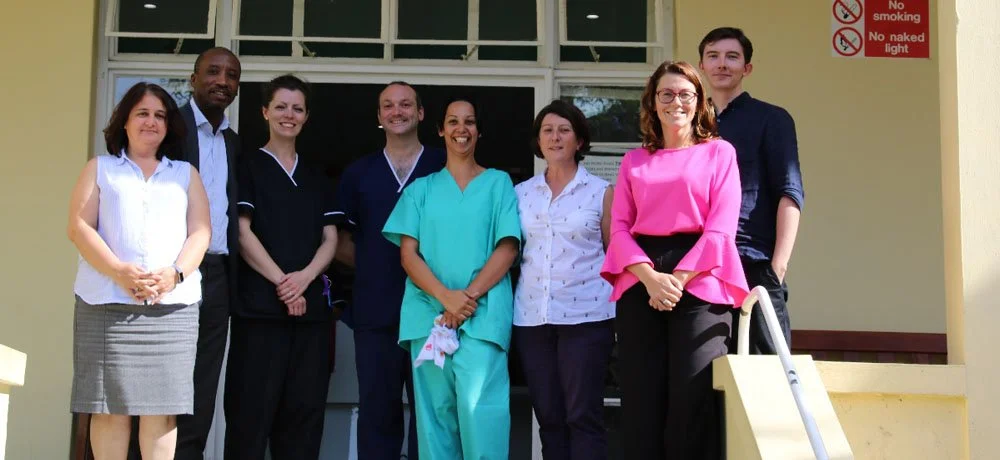
British medtech company PatientSource has been awarded the contract to install an Electronic Patient Record (EPR) system on the island of St Helena, a community which, until last year, was dependent on supplies and specialist services located a five-day sea voyage from Cape Town.
Saint Helena General Hospital is the world’s most remote medical centre, located on a volcanic island 4,600 miles away from the UK in the South Atlantic Ocean.
The island of St Helena, part of the British Overseas Territory, is about 10 miles long and six miles wide with a population of 4,534 - many of whom suffer from preventable chronic diseases such as diabetes and heart disease.
According to the island’s Health Directorate, 75% of adults and 40% of children are overweight, 30% have high blood pressure and a further 25% of the population are known to have diabetes, mainly type two. A stark comparison to just 6% of the UK population.
With most of the island’s healthcare budget spent on acute care, the high levels of preventable diseases are predominantly a result of lack of funding coupled with limited specialist staff and resources.
Up until January 2018, island life revolved around the Royal Mail Ship, the St Helena, arriving every three weeks with essential supplies and passengers from South Africa. In October 2017, five years later than planned, St Helena airport officially opened for commercial passenger flights. While functioning, regular flights are still blighted by environmental and geographical challenges.
Talking about the challenges faced, Lisa Niemand, the Health Directorate’s nursing officer, said: “The intertwined issues of geographical isolation, low resource base, dearth of specialist skills and lifestyle risk factors are a toxic challenge for the health sector here.
“There are large number of smokers – particularly young smokers, prevalent harmful alcohol use, and the global obesity epidemic has been intensified by the lack of fresh food available on the island and the dependence on imported long-life produce. The consequent high incidence of cancers and cardiovascular diseases are a major financial burden on the health sector as we have to offer treatment for many overseas at high cost.”
When asked about what her role entails, Lisa replied, “You name it, I do it.”
From education and training, to vaccinations, preventative medicine and primary and secondary care, Lisa’s job is demanding, meeting the varied needs of many with limited structure and supplies.
“The chronic under-development of infrastructure including poorly collated and analysed population health data has stifled healthcare planning and development over decades. The high cost of internet connectivity precludes cheap use of medical technology to its full extent and furthermore hampers access to information for practitioners on the island.”
In April last year, St Helena’s Director of Health Services Akeem Ali wrote an open letter to public health compatriots and community facilitators appealing for guidance for implementing behavioural change interventions.
Akeem wrote: “If you were in my shoes and led a health system serving a small nation, where most of the cash is spent on acute care, what would you do next, irrespective of financial constraints, low community and patient activation level and limited local expertise?”
With cash flow dwindling, a system focusing primarily on acute care is unsustainable, meaning a change is needed from treating single acute illnesses to care for multiple chronic conditions and promoting health of the individual with prevention and education at its core.
While multiple companies and community organisations stepped forward with solutions, a more dynamic system was required to initiate change and harness the power of technology for an effective behavioural change intervention.
One of the teams which responded to Akeem’s appeal was PatientSource, an Electronic Patient Record (EPR) solution, created by two practicing clinicians Michael Brooks and Phillip Ashworth.
The platform works on tablets, laptops, desktops without needing installation. It is cloud-based, and hugely reliable as it is automatically backed up. PatientSource is powered by AI to assist diagnosis, detect deterioration and forecast resource usage.
The solution has been invented to prevent ongoing issues within healthcare where patient records are misplaced, and patients are wrongly diagnosed.
The programme, which went live in November, brings the island's national health records into one electronic system spanning all healthcare domains together from the pharmacy and laboratory to the dentist, hospital, community and mental health services.
PatientSource’s co-founder, Dr Michael Brooks explained: “By running on PatientSource, St Helena will build up a rich repository of patient data covering symptoms, signs, test results and treatment outcomes.
“This professionally curated data can be analysed, queried, and used to derive insights. Doctors in St Helena will be able to track progress in real time and will be able to identify where best to direct healthcare resources. The island will jump decades ahead of where they are now.”
Streamlined health data aims to complement recent outreach programmes such as Chronic Disease Management Clinics and Workplace Wellbeing Clinics designed to encourage islanders to take ownership of their health and make informed decisions about their lifestyle choices.
Similar intervention methods can be seen at a government level with smoking and obesity campaigns as well as ongoing legislative talks on the regulation of tobacco. Socially, the annual St Helena Festival of Running encourages involvement and raises funds for the island’s sport programmes with a week-long annual challenge including trial runs, triathlons and what is dubbed the world’s hardest marathon.
While these are positive steps towards a healthy population, health workers know there is still a long way to go. It is hoped this new era of technology will usher in a healthier population able to enjoy a greater quality of life.
Outlining the island’s health ambitions, deputy director of Health, Helen Lawrence, said: “We hope the future brings a scenario of full community engagement whereby our population are self-managing their health as far as possible as a result of the diagnosis and preventative technology data we will receive from PatientSource.
“Health care is an integral part of the community and will always be needed. It is rewarding to know that working in health services, regardless of our role, makes each of us personally a contributor to the positive well-being of our island community.”

US VCs drive $32.3m global expansion round for Cambridge fraudbuster Featurespace
Massive global expansion for Cambridge UK fraud detection and risk management business Featurespace has been underpinned by a $32.3 million funding round led by two US VC funds anchored in New York and Philadelphia
Massive global expansion for Cambridge UK fraud detection and risk management business Featurespace has been underpinned by a $32.3 million funding round led by two US VC funds anchored in New York and Philadelphia.
The new round takes Featurespace’s fundraising to $70.5m since launch in 2008. The Series F was led by Insight Venture Partners, a New York-based global private equity and venture capital firm focused on high-growth investments in the technology sector, and MissionOG, a Philadelphia-based VC firm with significant operational and investment experience across the financial services and payments industries.
The round also included further funding from existing investors including IP Group plc, Highland Europe, TTV Capital, Cambridge angel and serial entrepreneur Robert Sansom and Invoke Capital, Mike Lynch’s European technology fund based in Cambridge.
The money will be used to support Featurespace’s international expansion and continued development of the company’s software capabilities. The company continues to hire fast on both sides of the Atlantic with scores of jobs to fill to meet demand for the capabilities Featurespace is delivering based on Cambridge University IP.
Featurespace CEO, Martina King says the company has hired 100 new recruits in the last year and despite global expansion, Cambridge would remain the company’s mothership.
The new investment will support the continued distribution of Featurespace’s real-time ARIC™ platform, which uses Adaptive Behavioural Analytics to detect anomalies in individual behaviour for fraud and risk management.
King said: “We have made tremendous progress over the last 15 months since our last fund raising – and this fund raise is the largest to date. The additional funds will enable us to continue rapidly growing the business internationally by focusing on our products, our people and our customers.
“Working very closely with our customers, we have developed a market-leading product to meet their fraud detection and prevention requirements. We have also significantly strengthened our senior management team and operational infrastructure, and opened an office in Atlanta, Georgia.
“And we have grown our financial services customer base and now are working with 17 banks across continental Europe, the UK, US and Latin America. “Equally important, we have become the technology partner of choice to a number of payment processors and merchant acquirers that have embedded our real-time fraud prevention technology in their anti-fraud solutions.”
The company’s big-money US backers are excited about the prospects for Featurespace. Jeff Horing, co-founder and managing director at Insight Venture Partners, said: “We have been following Featurespace’s growth for over two years.
“Following extensive customer and product due diligence, we were delighted with market feedback around the product and team. We welcome Featurespace into our portfolio and look forward to helping the company drive international growth.”
And Gene Lockhart, chairman and managing partner at MissionOG, echoed: “Martina King, David Excell and team have built a dynamic culture that has led to a well-defined and successful market focus.
“Their efforts are evidenced by strong sales momentum with notable clients in various segments, including multinational banks, payments companies, issuer processors and merchant acquirers. “We’re excited to partner with Featurespace and introduce our network and platform to continue to drive value and growth.”

Kheiron Begins NHS Trials For Breast Cancer Diagnosis AI
Kheiron Begins NHS Trials For Breast Cancer Diagnosis AI. The tests, involving historic patient records in Leeds and the East Midlands, are the latest to probe the use of AI in the healthcare sector
The tests, involving historic patient records in Leeds and the East Midlands, are the latest to probe the use of AI in the healthcare sector
Kheiron Medical is set this month to launch trials with the NHS of an artificial intelligence system aimed at assisting in breast cancer diagnoses, in the latest tests of AI in the healthcare sector.
Kheiron, which announced UK government funding for the trials late last November, said its Mia tool is aimed at tackling an acute shortage of the staff needed to accurately interpret mammograms.
Each mammogram currently requires two consultant radiologists to analyse it, but the service is threatened by staff shortages and impending retirements, with the NHS facing soaring costs for outsourcing analyses.
Mia, which is intended to act as an independent reader alongside human radiologists, is the first deep learning image analysis system to be tested within the NHS at this scale, Kheiron said.
AI training
The firm said it is working with the East Midlands Radiology Consortium (EMRAD) on the project, the largest collaborative network of hospitals in the UK to share a single image-sharing platform.
Funding for the trials comes as part of NHS England’s Test Bed Programme.
The trial is to use historic scans at an NHS trust in Leeds, as well as tens of thousands of historic scans from the East Midlands, Kheiron told the Financial Times.
Firms developing similar technology include the Netherlands’ ScreenPoint Medicaland Google’s DeepMind, which began a trial with the NHS last year.
Kheiron’s technology has already been trained on about 500,000 scans from hospitals in Hungary, and the firm found Mia beat the average performance of a human radiologist when tested against 3,500 scans, clinical director Hugh Harvey told the FT.
Harvey said the analysis of historic data was a first step, which it intended tofollow with tests using current patients once the algorithm was performing “optimally”.
Workforce shortage
“There are considerable workforce issues in breast cancer screening with unfilled posts and many centres in the UK struggling to meet targets,” Dr Jonathan James, a breast radiology consultant at the Nottingham Breast Institute, said on the occasion of the trials’ initial announcement last year. “AI has the potential to provide a solution to the workforce crisis by supplementing at least one of these human mammography readers.”
DeepMind began testing its mammogram AI tech with the Cancer Research UK Imperial Centre at Imperial College, London in April of last year, and has also signed a five-year deal with the Jikei University Hospital in Japan to analyse historic mammograms of 30,000 women.
Healthcare is considered a major potential market for AI, but has faced initial hurdles establishing itself in the field due in part to the necessity of delivering large amounts of patient data into the hands of private companies such as Google for analysis.
A 2016 arrangement between DeepMind and the NHS, which saw the analysis of the records of 1.6 million patients by DeepMind, was ruled illegal the following year by the Information Commissioner’s Office (ICO), since patients had not been informed.
Last year Google abruptly took direct control of DeepMind Health and its flagship NHS app, Streams, in a move that added to concerns over the relationship between Google and the NHS.
DeepMind had said earlier in the year that it was planning clinical trials of an AI diagnostic tool for eye diseases after tests found it was more accurate than human specialists.

Tech giants including Google and Intel turn to Cambridge deep learning ace
Global technology giants have turned to a Cambridge UK deep learning pioneer to help steer a world first AI and ML collaboration.
Global technology giants have turned to a Cambridge UK deep learning pioneer to help steer a world first AI and ML collaboration.
myrtle.ai has assembled a globally renowned team of experts with expertise in producing low power inference circuits and already works with quoted businesses on both sides of the Atlantic.
Now it has been chosen to develop a Speech Recognition benchmark for MLPerf – a new Machine Learning (ML) benchmarking competition backed by Google, Baidu, Intel and AMD.
MLPerf, a collaboration of tech giants and researchers from numerous universities including Harvard, Stanford and the University of California Berkeley, is aspiring to drive progress in ML by developing a suite of fair and reliable benchmarks for emerging artificial intelligence hardware and software platforms.
myrtle.ai has been selected to provide the computer code that will be the benchmark standard for the Speech Recognition division. The code is a new implementation of two AI models known as DeepSpeech 1 and DeepSpeech 2, building on models originally developed by Baidu.
CEO Peter Baldwin (pictured) said: “We are honoured to be providing the reference implementations for the Speech to Text category of MLPerf. Myrtle has a world-class machine learning group and we are pleased to be able to provide the code as open source so that everyone can benefit from it.”
Baldwin says this is the first time the AI community has come together to try to develop a series of reliable, transparent and vendor-neutral ML benchmarks to highlight performance differences between different ML algorithms and cloud configurations.
The new benchmarking suite will be used to test and measure training speeds and inference times for a range of ML tasks.
myrtle ai’s Speech Recognition benchmark is based on proven experience in this field. Its core R & D team has speeded up Mozilla’s DeepSpeech implementations 100-fold when training on Librispeech, demonstrating their practical experience of training and deploying AI and ML algorithms.
Myrtle was founded to develop software and services for public and private data centres. Originally specialising in image processing and large scale simulation Myrtle helped produce computer generated content for over 20 major Hollywood blockbusters.
Clients have included NYSE and NASDAQ listed companies in LA, Vancouver and London as well as a major automotive OEM and a government department.
The company is currently targeting its technology at inference workloads in data centres and is involved in a major collaboration to address the safety and verification challenges that currently preventing sophisticated deep learning networks being used in road vehicles.
Peter Baldwin has run Myrtle since founding it. He has a pure mathematics PhD from Cambridge University and a special interest in the mathematical foundations of deep learning.
He wrote and licensed Myrtle’s first commercially available software: a suite of simulation tools that ran at huge scale in private data centres. The first commercial software he ever wrote was used to help produce the chocolate river in Tim Burton’s film ‘Charlie and the Chocolate Factory’.
The celebrated founder of Cambridge Angels, Robert Sansom, is a director while another angel and entrepreneur Robert Swann, who was a first mover in the enterprise, is also on the board; two other companies that benefit from his advice are Audio Analytic and Undo Software – both global leaders in their fields of tech specialism.
From world-changing self-driving car projects to reducing the power consumption of global data centres, myrtle.ai strives to use its engineering expertise to transform the world today by making tomorrow’s AI run with unsurpassed efficiency on low power hardware.

Japanese pile into new £10m GeoSpock fundraising
Japanese investors Global Brain and 31Ventures along with data tech company KDDI Supership have chipped into a fresh £10 million funding round for Cambridge UK extreme data specialist GeoSpock.
Japanese investors Global Brain and 31Ventures along with data tech company KDDI Supership have chipped into a fresh £10 million funding round for Cambridge UK extreme data specialist GeoSpock.
It takes the total raised by GeoSpock to date to £19.5m – just under $25m – and is designed to fast-track transformational GeoSpock engagement with the massive Asian markets of Japan and Singapore.
GeoSpock’s unique spatial big data platform enables companies to access dynamic contextual data visualisation and programmatic analytics.
The latest investment was led by existing backers Cambridge Innovation Capital jointly with Parkwalk Advisors and Japanese firms Global Brain and 31Ventures. Japanese data tech company KDDI Supership joined as a strategic investor. Investment was also secured from existing investor, Jonathan Milner, the serial Cambridge life science entrepreneur.
The additional funding will support GeoSpock’s rapid international expansion strategy to help develop key client accounts, particularly in the strategic markets of Singapore and Japan.
The investment will also allow the company to continue to invest in research and development, particularly in the areas of machine learning and data science.
GeoSpock is fast establishing itself as the de facto processing engine at the heart of next-generation smart infrastructure – including smart cities and the Internet of Everything.
The company powers future mobility applications, including the management of autonomous vehicle fleets, working with businesses across the automotive, telecoms, mobility, marine, media, and retail sectors.
Victor Christou, CEO of Cambridge Innovation Capital said: “We’re delighted to lead GeoSpock’s latest funding drive, enabling this exciting company to innovate and scale globally.
“The opportunity presented by geospatial data is huge and this funding will support GeoSpock in delivering geo-temporal data understanding and visualisation for the everything-connected world.
“We also welcome KDDI Supership to this investment, whose expertise, particularly in Asia, will help GeoSpock widen and deepen its global reach.”

Exonate fundraises £1.5 million
Exonate has successfully fundraised £1.5 million to accelerate development of its lead product - an eye drop treatment for retinal neovascular diseases.
Exonate has successfully fundraised £1.5 million to accelerate development of its lead product - an eye drop treatment for retinal neovascular diseases.
The announcement marks the closing of its fourth financing round, having raised approximately £9 million in total to date, backed by investment from Angel CoFund, Australian venture fund Uniseed, University of Bristol Enterprise Fund, managed by Parkwalk, Martlet of Cambridge, Wren Capital, and O2h Ventures as well as further Angel investors.
The funds raised will be used to accelerate the development of Exonate’s lead product, an eye drop for the treatment of retinal neovascular diseases.
Commenting on the announcement, Dr Catherine Beech, chief executive of Exonate, said: “I am very pleased with the successful closing of this funding round. We would like to take this opportunity to thank our shareholders, both existing and new, for their continued support and belief in our strategy, science and team.
“Exonate believes that our approach to retinal diseases has the potential to significantly improve patients’ lives by providing greater efficacy of a drug, and an alternative option to the current treatment of injections straight into the eye. The monies raised will enable us to progress the first of our innovative treatments towards clinical development.”
Development of this lead product is on track to enter clinical trials in the first indication, for Diabetic Macular Oedema, in 2020.

Ahead of the curve, ahead of the cure
A large number of science & technology entrepreneurs worldwide set out to pick the low hanging fruit to woo investment in the hopes of making a fortune.
One can only salute the courage of Healx co-founders Dr Tim Guilliams and Dr David Brown, the celebrated inventor of Viagra, who eschewed convention and decided to tackle a huge area of unmet medical need by seeking solutions to the planet’s rarest diseases.
A large number of science & technology entrepreneurs worldwide set out to pick the low hanging fruit to woo investment in the hopes of making a fortune.
One can only salute the courage of Healx co-founders Dr Tim Guilliams and Dr David Brown, the celebrated inventor of Viagra, who eschewed convention and decided to tackle a huge area of unmet medical need by seeking solutions to the planet’s rarest diseases.
With major pharma players hanging by their fingertips to a patent cliff edge, Guilliams and Brown sidestepped the ‘high volume drugs for well known mass markets’ model and instead rallied to the cause of an estimated 350 million people worldwide living with thousands of illnesses that may have never been accurately diagnosed, let alone treated.
On every continent people of all ages had been waking up daily to the fear that no-one cared – and no-one cured. Healx has changed the paradigm and handed a real dose of hope to a previously anonymous army of sufferers with conditions no-one had ever heard of.
The Cambridge company is using Artificial Intelligence to re-purpose drugs to treat these rare diseases and in a relatively short timespan has achieved incredible success. Major funding has already been secured from global investors and the company continues to refine its platform to cover larger patient populations, an increasing number of rare disease areas and more territories across the planet.
As the FT eloquently put it recently: “The new AI-powered drug discovery company turns a $1 billion process, requiring 2,000 scientists into one that uses a team of 20 and a budget of $100,000 to help cure the world’s rarest diseases.”
According to Dr Guilliams 95 per cent of the 350 million people worldwide living with 7,000 rare illnesses don’t have a treatment. When the founders were researching technology that could lead to cures they drew on the experience of parents whose children suffered from rare diseases. One was Nick Sireau, who has two children with the same rare disease and managed to raise £10m to repurpose a weed killer as a treatment. It is now in phase three of clinical trials – the final phase of testing.
Another case involved Matt Might, whose son Bertrand was born with an ultra-rare disease that affected one in 18 million people. Thanks to Matt’s persistence, the NGLY1 deficiency from which Bertrand was suffering went from a completely unknown disease to one with multiple treatment options.
CEO Guilliams reflects that the founding duo set up Healx in 2014 with the ambitious aim of turning the entire pharmaceutical strategy on its head – and this week was named among the 100 fastest-growing companies in the UK.
He says: “The challenge in the past was that nobody could make the commercial case to develop drugs for rare diseases because it would take 10 to 15 years, cost $2bn and had a 95 percent failure rate, so you couldn’t justify spending all your time and resources on helping tiny disease populations.”
Healx leveraged advancements in machine learning and AI to cure rare diseases at twice the speed and a fraction of the cost.
Dr Guilliams said: “On the one hand, we look at all the rare diseases that we’ve curated and classified, and where we believe existing treatments could potentially help. On the other side, we’ve done the same exercise for all the drugs and nutrients. We then we let algorithms match those up.”
The company made the decision to initiate its investigations through dialogue with the patients or their parents who know the conditions best; this helps to accelerate the identification of potential treatments, says Dr Guilliams.
One of the areas Healx worked on was Fragile X, a rare neurological disease that causes a range of learning disabilities and cognitive impairment.
“We worked with a patient group and in about 15 to 18 months and with $100,000 we managed to identify candidates of existing drugs that worked pre-clinically and that are now ready to be tested on patients in the clinic,”
Dr Guilliams says. “This used to take five years and cost tens of millions – but now we’re talking months and $100,000.”
Healx is now recruiting patients to start a trial in the US and, as the drugs are already safe and on the market, they can be accessed by patients much quicker.
Because the bioneurological diseases and rare cancers Healx is trying to cure are so complex, more than one drug is usually needed.
Dr Guilliams says: “With cancer, you need to use a cocktail of drugs because it’s much more complicated – it’s not just one drug, one target.”
Of the 30 staff currently working at Healx, 25 are technology experts specialising in machine learning, bioinfomatics, cheminfomatics and natural language processing.
But Dr Guilliams says the technology alone is not enough. “I don’t think we’re at the stage yet where you can replace all the experts with AI – you still need your drug discovery experts, clinicians and patient voice.
“It’s a platform to provide the tools for optimal and fast decision making from people who really understand the disease and I believe it is absolutely disrupting the space.”
To date, Healx has helped bring two drugs to clinic and is now looking into 10 more as it starts to scale, with the ultimate ambition of helping people suffering from 100 rare diseases by 2025.