
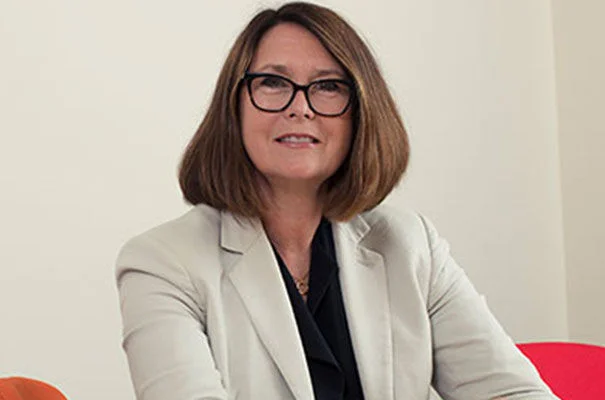
US VCs drive $32.3m global expansion round for Cambridge fraudbuster Featurespace
Massive global expansion for Cambridge UK fraud detection and risk management business Featurespace has been underpinned by a $32.3 million funding round led by two US VC funds anchored in New York and Philadelphia
Massive global expansion for Cambridge UK fraud detection and risk management business Featurespace has been underpinned by a $32.3 million funding round led by two US VC funds anchored in New York and Philadelphia.
The new round takes Featurespace’s fundraising to $70.5m since launch in 2008. The Series F was led by Insight Venture Partners, a New York-based global private equity and venture capital firm focused on high-growth investments in the technology sector, and MissionOG, a Philadelphia-based VC firm with significant operational and investment experience across the financial services and payments industries.
The round also included further funding from existing investors including IP Group plc, Highland Europe, TTV Capital, Cambridge angel and serial entrepreneur Robert Sansom and Invoke Capital, Mike Lynch’s European technology fund based in Cambridge.
The money will be used to support Featurespace’s international expansion and continued development of the company’s software capabilities. The company continues to hire fast on both sides of the Atlantic with scores of jobs to fill to meet demand for the capabilities Featurespace is delivering based on Cambridge University IP.
Featurespace CEO, Martina King says the company has hired 100 new recruits in the last year and despite global expansion, Cambridge would remain the company’s mothership.
The new investment will support the continued distribution of Featurespace’s real-time ARIC™ platform, which uses Adaptive Behavioural Analytics to detect anomalies in individual behaviour for fraud and risk management.
King said: “We have made tremendous progress over the last 15 months since our last fund raising – and this fund raise is the largest to date. The additional funds will enable us to continue rapidly growing the business internationally by focusing on our products, our people and our customers.
“Working very closely with our customers, we have developed a market-leading product to meet their fraud detection and prevention requirements. We have also significantly strengthened our senior management team and operational infrastructure, and opened an office in Atlanta, Georgia.
“And we have grown our financial services customer base and now are working with 17 banks across continental Europe, the UK, US and Latin America. “Equally important, we have become the technology partner of choice to a number of payment processors and merchant acquirers that have embedded our real-time fraud prevention technology in their anti-fraud solutions.”
The company’s big-money US backers are excited about the prospects for Featurespace. Jeff Horing, co-founder and managing director at Insight Venture Partners, said: “We have been following Featurespace’s growth for over two years.
“Following extensive customer and product due diligence, we were delighted with market feedback around the product and team. We welcome Featurespace into our portfolio and look forward to helping the company drive international growth.”
And Gene Lockhart, chairman and managing partner at MissionOG, echoed: “Martina King, David Excell and team have built a dynamic culture that has led to a well-defined and successful market focus.
“Their efforts are evidenced by strong sales momentum with notable clients in various segments, including multinational banks, payments companies, issuer processors and merchant acquirers. “We’re excited to partner with Featurespace and introduce our network and platform to continue to drive value and growth.”

Kheiron Begins NHS Trials For Breast Cancer Diagnosis AI
Kheiron Begins NHS Trials For Breast Cancer Diagnosis AI. The tests, involving historic patient records in Leeds and the East Midlands, are the latest to probe the use of AI in the healthcare sector
The tests, involving historic patient records in Leeds and the East Midlands, are the latest to probe the use of AI in the healthcare sector
Kheiron Medical is set this month to launch trials with the NHS of an artificial intelligence system aimed at assisting in breast cancer diagnoses, in the latest tests of AI in the healthcare sector.
Kheiron, which announced UK government funding for the trials late last November, said its Mia tool is aimed at tackling an acute shortage of the staff needed to accurately interpret mammograms.
Each mammogram currently requires two consultant radiologists to analyse it, but the service is threatened by staff shortages and impending retirements, with the NHS facing soaring costs for outsourcing analyses.
Mia, which is intended to act as an independent reader alongside human radiologists, is the first deep learning image analysis system to be tested within the NHS at this scale, Kheiron said.
AI training
The firm said it is working with the East Midlands Radiology Consortium (EMRAD) on the project, the largest collaborative network of hospitals in the UK to share a single image-sharing platform.
Funding for the trials comes as part of NHS England’s Test Bed Programme.
The trial is to use historic scans at an NHS trust in Leeds, as well as tens of thousands of historic scans from the East Midlands, Kheiron told the Financial Times.
Firms developing similar technology include the Netherlands’ ScreenPoint Medicaland Google’s DeepMind, which began a trial with the NHS last year.
Kheiron’s technology has already been trained on about 500,000 scans from hospitals in Hungary, and the firm found Mia beat the average performance of a human radiologist when tested against 3,500 scans, clinical director Hugh Harvey told the FT.
Harvey said the analysis of historic data was a first step, which it intended tofollow with tests using current patients once the algorithm was performing “optimally”.
Workforce shortage
“There are considerable workforce issues in breast cancer screening with unfilled posts and many centres in the UK struggling to meet targets,” Dr Jonathan James, a breast radiology consultant at the Nottingham Breast Institute, said on the occasion of the trials’ initial announcement last year. “AI has the potential to provide a solution to the workforce crisis by supplementing at least one of these human mammography readers.”
DeepMind began testing its mammogram AI tech with the Cancer Research UK Imperial Centre at Imperial College, London in April of last year, and has also signed a five-year deal with the Jikei University Hospital in Japan to analyse historic mammograms of 30,000 women.
Healthcare is considered a major potential market for AI, but has faced initial hurdles establishing itself in the field due in part to the necessity of delivering large amounts of patient data into the hands of private companies such as Google for analysis.
A 2016 arrangement between DeepMind and the NHS, which saw the analysis of the records of 1.6 million patients by DeepMind, was ruled illegal the following year by the Information Commissioner’s Office (ICO), since patients had not been informed.
Last year Google abruptly took direct control of DeepMind Health and its flagship NHS app, Streams, in a move that added to concerns over the relationship between Google and the NHS.
DeepMind had said earlier in the year that it was planning clinical trials of an AI diagnostic tool for eye diseases after tests found it was more accurate than human specialists.
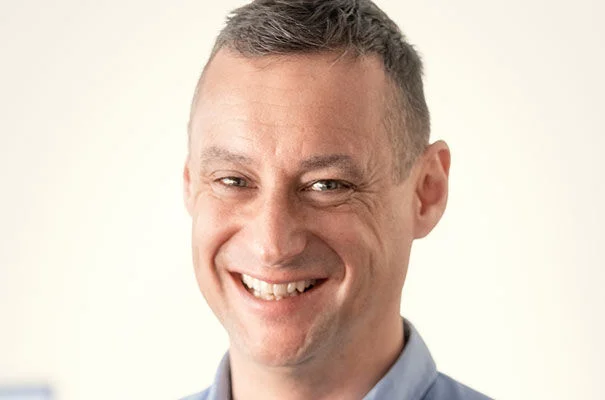
Tech giants including Google and Intel turn to Cambridge deep learning ace
Global technology giants have turned to a Cambridge UK deep learning pioneer to help steer a world first AI and ML collaboration.
Global technology giants have turned to a Cambridge UK deep learning pioneer to help steer a world first AI and ML collaboration.
myrtle.ai has assembled a globally renowned team of experts with expertise in producing low power inference circuits and already works with quoted businesses on both sides of the Atlantic.
Now it has been chosen to develop a Speech Recognition benchmark for MLPerf – a new Machine Learning (ML) benchmarking competition backed by Google, Baidu, Intel and AMD.
MLPerf, a collaboration of tech giants and researchers from numerous universities including Harvard, Stanford and the University of California Berkeley, is aspiring to drive progress in ML by developing a suite of fair and reliable benchmarks for emerging artificial intelligence hardware and software platforms.
myrtle.ai has been selected to provide the computer code that will be the benchmark standard for the Speech Recognition division. The code is a new implementation of two AI models known as DeepSpeech 1 and DeepSpeech 2, building on models originally developed by Baidu.
CEO Peter Baldwin (pictured) said: “We are honoured to be providing the reference implementations for the Speech to Text category of MLPerf. Myrtle has a world-class machine learning group and we are pleased to be able to provide the code as open source so that everyone can benefit from it.”
Baldwin says this is the first time the AI community has come together to try to develop a series of reliable, transparent and vendor-neutral ML benchmarks to highlight performance differences between different ML algorithms and cloud configurations.
The new benchmarking suite will be used to test and measure training speeds and inference times for a range of ML tasks.
myrtle ai’s Speech Recognition benchmark is based on proven experience in this field. Its core R & D team has speeded up Mozilla’s DeepSpeech implementations 100-fold when training on Librispeech, demonstrating their practical experience of training and deploying AI and ML algorithms.
Myrtle was founded to develop software and services for public and private data centres. Originally specialising in image processing and large scale simulation Myrtle helped produce computer generated content for over 20 major Hollywood blockbusters.
Clients have included NYSE and NASDAQ listed companies in LA, Vancouver and London as well as a major automotive OEM and a government department.
The company is currently targeting its technology at inference workloads in data centres and is involved in a major collaboration to address the safety and verification challenges that currently preventing sophisticated deep learning networks being used in road vehicles.
Peter Baldwin has run Myrtle since founding it. He has a pure mathematics PhD from Cambridge University and a special interest in the mathematical foundations of deep learning.
He wrote and licensed Myrtle’s first commercially available software: a suite of simulation tools that ran at huge scale in private data centres. The first commercial software he ever wrote was used to help produce the chocolate river in Tim Burton’s film ‘Charlie and the Chocolate Factory’.
The celebrated founder of Cambridge Angels, Robert Sansom, is a director while another angel and entrepreneur Robert Swann, who was a first mover in the enterprise, is also on the board; two other companies that benefit from his advice are Audio Analytic and Undo Software – both global leaders in their fields of tech specialism.
From world-changing self-driving car projects to reducing the power consumption of global data centres, myrtle.ai strives to use its engineering expertise to transform the world today by making tomorrow’s AI run with unsurpassed efficiency on low power hardware.
Japanese pile into new £10m GeoSpock fundraising
Japanese investors Global Brain and 31Ventures along with data tech company KDDI Supership have chipped into a fresh £10 million funding round for Cambridge UK extreme data specialist GeoSpock.
Japanese investors Global Brain and 31Ventures along with data tech company KDDI Supership have chipped into a fresh £10 million funding round for Cambridge UK extreme data specialist GeoSpock.
It takes the total raised by GeoSpock to date to £19.5m – just under $25m – and is designed to fast-track transformational GeoSpock engagement with the massive Asian markets of Japan and Singapore.
GeoSpock’s unique spatial big data platform enables companies to access dynamic contextual data visualisation and programmatic analytics.
The latest investment was led by existing backers Cambridge Innovation Capital jointly with Parkwalk Advisors and Japanese firms Global Brain and 31Ventures. Japanese data tech company KDDI Supership joined as a strategic investor. Investment was also secured from existing investor, Jonathan Milner, the serial Cambridge life science entrepreneur.
The additional funding will support GeoSpock’s rapid international expansion strategy to help develop key client accounts, particularly in the strategic markets of Singapore and Japan.
The investment will also allow the company to continue to invest in research and development, particularly in the areas of machine learning and data science.
GeoSpock is fast establishing itself as the de facto processing engine at the heart of next-generation smart infrastructure – including smart cities and the Internet of Everything.
The company powers future mobility applications, including the management of autonomous vehicle fleets, working with businesses across the automotive, telecoms, mobility, marine, media, and retail sectors.
Victor Christou, CEO of Cambridge Innovation Capital said: “We’re delighted to lead GeoSpock’s latest funding drive, enabling this exciting company to innovate and scale globally.
“The opportunity presented by geospatial data is huge and this funding will support GeoSpock in delivering geo-temporal data understanding and visualisation for the everything-connected world.
“We also welcome KDDI Supership to this investment, whose expertise, particularly in Asia, will help GeoSpock widen and deepen its global reach.”

Exonate fundraises £1.5 million
Exonate has successfully fundraised £1.5 million to accelerate development of its lead product - an eye drop treatment for retinal neovascular diseases.
Exonate has successfully fundraised £1.5 million to accelerate development of its lead product - an eye drop treatment for retinal neovascular diseases.
The announcement marks the closing of its fourth financing round, having raised approximately £9 million in total to date, backed by investment from Angel CoFund, Australian venture fund Uniseed, University of Bristol Enterprise Fund, managed by Parkwalk, Martlet of Cambridge, Wren Capital, and O2h Ventures as well as further Angel investors.
The funds raised will be used to accelerate the development of Exonate’s lead product, an eye drop for the treatment of retinal neovascular diseases.
Commenting on the announcement, Dr Catherine Beech, chief executive of Exonate, said: “I am very pleased with the successful closing of this funding round. We would like to take this opportunity to thank our shareholders, both existing and new, for their continued support and belief in our strategy, science and team.
“Exonate believes that our approach to retinal diseases has the potential to significantly improve patients’ lives by providing greater efficacy of a drug, and an alternative option to the current treatment of injections straight into the eye. The monies raised will enable us to progress the first of our innovative treatments towards clinical development.”
Development of this lead product is on track to enter clinical trials in the first indication, for Diabetic Macular Oedema, in 2020.
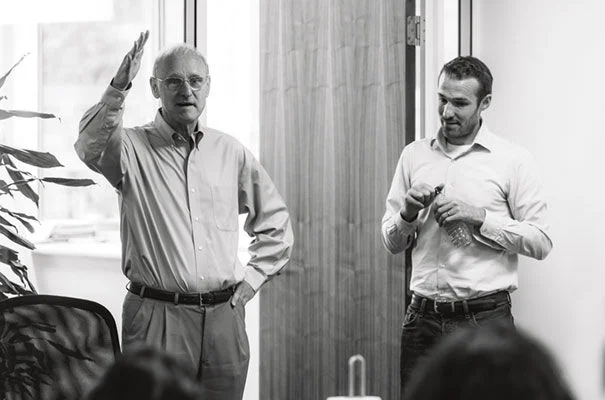
Ahead of the curve, ahead of the cure
A large number of science & technology entrepreneurs worldwide set out to pick the low hanging fruit to woo investment in the hopes of making a fortune.
One can only salute the courage of Healx co-founders Dr Tim Guilliams and Dr David Brown, the celebrated inventor of Viagra, who eschewed convention and decided to tackle a huge area of unmet medical need by seeking solutions to the planet’s rarest diseases.
A large number of science & technology entrepreneurs worldwide set out to pick the low hanging fruit to woo investment in the hopes of making a fortune.
One can only salute the courage of Healx co-founders Dr Tim Guilliams and Dr David Brown, the celebrated inventor of Viagra, who eschewed convention and decided to tackle a huge area of unmet medical need by seeking solutions to the planet’s rarest diseases.
With major pharma players hanging by their fingertips to a patent cliff edge, Guilliams and Brown sidestepped the ‘high volume drugs for well known mass markets’ model and instead rallied to the cause of an estimated 350 million people worldwide living with thousands of illnesses that may have never been accurately diagnosed, let alone treated.
On every continent people of all ages had been waking up daily to the fear that no-one cared – and no-one cured. Healx has changed the paradigm and handed a real dose of hope to a previously anonymous army of sufferers with conditions no-one had ever heard of.
The Cambridge company is using Artificial Intelligence to re-purpose drugs to treat these rare diseases and in a relatively short timespan has achieved incredible success. Major funding has already been secured from global investors and the company continues to refine its platform to cover larger patient populations, an increasing number of rare disease areas and more territories across the planet.
As the FT eloquently put it recently: “The new AI-powered drug discovery company turns a $1 billion process, requiring 2,000 scientists into one that uses a team of 20 and a budget of $100,000 to help cure the world’s rarest diseases.”
According to Dr Guilliams 95 per cent of the 350 million people worldwide living with 7,000 rare illnesses don’t have a treatment. When the founders were researching technology that could lead to cures they drew on the experience of parents whose children suffered from rare diseases. One was Nick Sireau, who has two children with the same rare disease and managed to raise £10m to repurpose a weed killer as a treatment. It is now in phase three of clinical trials – the final phase of testing.
Another case involved Matt Might, whose son Bertrand was born with an ultra-rare disease that affected one in 18 million people. Thanks to Matt’s persistence, the NGLY1 deficiency from which Bertrand was suffering went from a completely unknown disease to one with multiple treatment options.
CEO Guilliams reflects that the founding duo set up Healx in 2014 with the ambitious aim of turning the entire pharmaceutical strategy on its head – and this week was named among the 100 fastest-growing companies in the UK.
He says: “The challenge in the past was that nobody could make the commercial case to develop drugs for rare diseases because it would take 10 to 15 years, cost $2bn and had a 95 percent failure rate, so you couldn’t justify spending all your time and resources on helping tiny disease populations.”
Healx leveraged advancements in machine learning and AI to cure rare diseases at twice the speed and a fraction of the cost.
Dr Guilliams said: “On the one hand, we look at all the rare diseases that we’ve curated and classified, and where we believe existing treatments could potentially help. On the other side, we’ve done the same exercise for all the drugs and nutrients. We then we let algorithms match those up.”
The company made the decision to initiate its investigations through dialogue with the patients or their parents who know the conditions best; this helps to accelerate the identification of potential treatments, says Dr Guilliams.
One of the areas Healx worked on was Fragile X, a rare neurological disease that causes a range of learning disabilities and cognitive impairment.
“We worked with a patient group and in about 15 to 18 months and with $100,000 we managed to identify candidates of existing drugs that worked pre-clinically and that are now ready to be tested on patients in the clinic,”
Dr Guilliams says. “This used to take five years and cost tens of millions – but now we’re talking months and $100,000.”
Healx is now recruiting patients to start a trial in the US and, as the drugs are already safe and on the market, they can be accessed by patients much quicker.
Because the bioneurological diseases and rare cancers Healx is trying to cure are so complex, more than one drug is usually needed.
Dr Guilliams says: “With cancer, you need to use a cocktail of drugs because it’s much more complicated – it’s not just one drug, one target.”
Of the 30 staff currently working at Healx, 25 are technology experts specialising in machine learning, bioinfomatics, cheminfomatics and natural language processing.
But Dr Guilliams says the technology alone is not enough. “I don’t think we’re at the stage yet where you can replace all the experts with AI – you still need your drug discovery experts, clinicians and patient voice.
“It’s a platform to provide the tools for optimal and fast decision making from people who really understand the disease and I believe it is absolutely disrupting the space.”
To date, Healx has helped bring two drugs to clinic and is now looking into 10 more as it starts to scale, with the ultimate ambition of helping people suffering from 100 rare diseases by 2025.
GoCompare deploys fraud busting technology from Featurespace
GoCompare, one of the UK’s most established and popular comparison and switching websites, has partnered with Cambridge fraud detection specialist Featurespace to strengthen its front-end fraud prevention and detection abilities.
GoCompare, one of the UK’s most established and popular comparison and switching websites, has partnered with Cambridge fraud detection specialist Featurespace to strengthen its front-end fraud prevention and detection abilities.
GoCompare is the only UK-based comparison website to use Featurespace’s ARIC™ Fraud Hub, which uses real-time machine learning developed out of Cambridge University to spot anomalies, block new fraud, and recognise genuine customers.
This will build on GoCompare’s existing efforts to tackle quote manipulation, ghost broking, application fraud, and more. For insurers who partner with GoCompare, the suite of fraud detection and prevention tools available will enable customised, real-time risk management, reducing the burden on insurers’ own fraud teams.
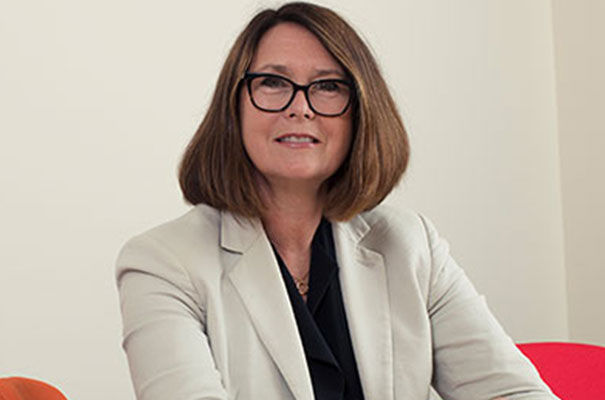
Fleur Lewis, head of fraud at GoCompare, said: “We’re excited to be the only UK comparison website to be partnering with Featurespace.
“Following an extensive evaluation of providers, they proved to be the only ones capable of enhancing our existing fraud prevention capabilities. We recognise that comparison websites act as the gatekeepers of data for many insurers and that we have an important role to play in the prevention of front-end fraud.
“Any online platform is a potentially inviting place to attempt fraud, and we believe we can support the industry in identifying this sort of behaviour by introducing detection and prevention measures at point-of-quote.
“These capabilities enable insurers to assess the risk in real-time and either decline the business or price accurately to ensure all parties are suitably protected.
“Our ambition is to provide insurers with only quality, genuine customers, thereby reducing their operational/legal costs and losses, so that they can continue to provide our users with excellent cover that represents value for money.”
Martina King, CEO of Featurespace, added: “The intense deliberation in seeking a fraud and risk technology provider reflects GoCompare’s commitment to safeguarding their customers and their business. We are honoured to have been selected.”
GoCompare’s anti-fraud project will evolve over the coming 12 months, with the introduction of third-party data enrichment feeds and new business intelligence partnerships.
• PHOTOGRAPH SHOWS: Martina King

GeoSpock Collaborates With GeoWorks On Large Scale Geospatial Data Processing Innovation
GeoSpock Collaborates With GeoWorks On Large Scale Geospatial Data Processing Innovation. Data visualisation company announces participation in the Singapore Land Authority’s geospatial technology initiative
GeoSpock Collaborates With GeoWorks On Large Scale Geospatial Data Processing Innovation
Data visualisation company announces participation in the Singapore Land Authority’s geospatial technology initiative
Cambridge, UK, 13 December: GeoSpock® – the extreme-scale, data integration company that provides analytics, builds insight, and enables predictions across space and time – today announced a collaboration with the Singapore Land Authority (SLA) to drive large scale geospatial data processing and analytics. The introduction of GeoSpock’s data processing engine will enable location intelligence and rapid visualisation, supporting GeoWorks in the drive to promote business growth and innovation across industries. GeoWorks was set up by the SLA as an industry centre to foster a vibrant geospatial ecosystem by connecting geospatial businesses, entrepreneurs as well as users and support them with the resources and expertise to catalyse geospatial innovation and solutions.
For a start, GeoSpock will utilise the SLA’s OneMap datasets for geospatial-temporal visualisation on GeoSpock’s platform to accelerate business intelligence and insights. The collaboration will explore the use of GeoSpock’s technology as a ‘data ocean’ for multiple disparate geo-temporal datasets to enable efficient cost optimisation of extreme-scale datasets, as well as the dynamic visual and programmatic analytical access for onward downstream use. The partnership will also utilise GeoSpock’s technology to provide lightweight and fast 3D data processing; this vision includes the exploration and design of a centralised, accessible Smart City Operating System (OS).
Richard Baker, CEO at GeoSpock, comments: “GeoSpock is delighted to join GeoWorks and collaborate with the Singapore Land Authority (SLA) team. The development of data science and geospatial analytics at scale for use across Singapore is critical to support the country as it innovates for the future, and we are committed to their vision to advance spatial big data management and analytics, data science capabilities, and machine learning technologies.”
SLA Geospatial and Data Director and Chief Data Officer Ng Siau Yong said: “Geospatial data and analytics empower both governments and businesses for effective and efficient decision-making, and the creation of applications that benefit the community. We are pleased to welcome GeoSpock to the GeoWorks community and look forward to sharing their expertise to facilitate the co-innovation of geospatial solutions.”
GeoSpock provides a unique location intelligence platform that enables companies to access real-time data evaluation. Petabyte-level processing empowers decision makers to employ these insights to predict future scenarios. The data visualisation company is fast establishing itself as the de facto processing engine at the heart of next-generation smart infrastructure – including smart cities and the Internet of Everything (IoE). The company is also powering future mobility applications, such as the management of autonomous vehicle fleets, by working with businesses across the automotive, telecoms, mobility, marine, media, and retail sectors.
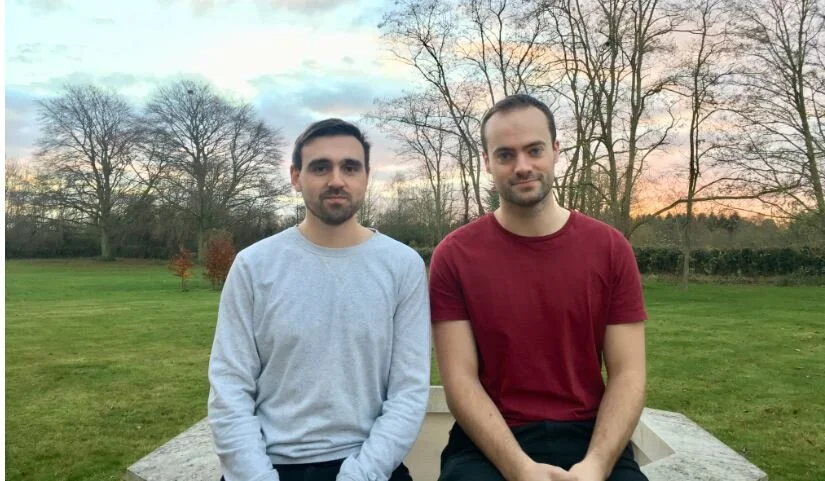
UK-based techspert.io secures €1.1 million for its AI-powered expert finder
Cambridge, UK-based techspert.io has developed the first search engine capable of finding experts across the globe available to answer complex questions for businesses on subjects ranging from rare diseases to the development of sustainable fuels.

Company of the month: Ieso Digital Health
Each month we profile an innovative, growing company from across the Greater South East of England. Ieso Digital Health is a world leading digital health company in Cambridge, specialising in internet enabled evidence-based psychological therapies. We spoke with Rob Brougham, UK Managing Director, about their exciting research in mental health and their aim to speed up patients’ recovery rates.
Each month we profile an innovative, growing company from across the Greater South East of England. Ieso Digital Health is a world leading digital health company in Cambridge, specialising in internet enabled evidence-based psychological therapies. We spoke with Rob Brougham, UK Managing Director, about their exciting research in mental health and their aim to speed up patients’ recovery rates.
What do Ieso Digital Health do?
Iseo is a digital health company, however, we put the emphasis very firmly on the health part of our name. We are a healthcare company first and foremost, and it just so happens that the way in which we deliver the care is using digital tools. We are working in the mental health space and we provide high-quality, evidence-based, cognitive behavioural therapy. So, we are helping patients with depression, anxiety and other common mental health issues.
How does this work in practice?
In the UK, we work within the NHS Improving Access to Psychological Therapy (IAPT) programme, which has been running for about a decade, and it was created to bring cognitive behavioural therapy to as many people as possible across the country. It is a very data-rich part of the NHS, so they are recording outcomes to try and improve quality over time.
We are suppliers into that, so our customers are the CCGs and the NHS mental health trusts. We are also now starting to work in the US with some of the big healthcare companies there.
How big is the company?
We have 500 therapists in our network and they provide therapy to patients which is very similar to face to face therapy, but in an online manner and it is through typing as opposed to physically seeing each other. Typically, they meet once a week, for an hour, and it is the same therapist each time. The therapists and the patients can be wherever is convenient for them, such as from their home or in a meeting room at work.
We’re treating NHS patients who would normally only be given the option of Monday to Friday. When you give them a choice, over two thirds of them choose to have therapy at a different time and it’s a time when they can fit therapy around their life and not the other way around.
How did the company come about?
It was founded by two clinical psychologists who were working within the NHS about 15 years ago. They were delivering cognitive behavioural therapy (CBT) to patients within the NHS, and they could see how beneficial it was. They felt that they’d be able to use the internet to make it easier and more convenient for patients to access CBT. So, they had the original vision and it turned out they were right – the core of the service they created is still the foundations of what we deliver today. And we’ve now built on that and we treat many thousands of NHS patients across the country every single year.
What impact would you say that your technologies have had?
Making it convenient and easy for patients to access therapy has been a really important thing that we’ve brought to the party. Because we have 500 therapies and because of the way in which we are organised, we don’t have a wait list at all. One thing that is very well researched is that the longer a patient waits for therapy, the less likely they are to recover.
We have also been able to support clinical outcomes because of the way we deliver therapy and for the first time ever, we can see exactly what happens in every therapy session and we’ve used that to create an effective supervision and training environment.
We are now applying sophisticated data science to begin to understand, in detail, what works best for patients, and to create artificial intelligence-based tools that can help our therapists to provide even better results going forward.
Can you tell us about your use of AI in your technologies – and what do you think the future looks like for AI and healthcare?
We have developed a suite of tools which are focused on what we term ‘therapist augmentation’. These are therapist facing tools that help them to do a better job to support more patients and then ultimately get more patients better more quickly.
One example is our dropout predictor. Dropout is common in CBT, because the patients may not feel ready or it is inconvenient for them. Based on the initial presentation of the patient, what they first type and what they first put into the system, our AI tool can predict which patients are at a higher dropout risk and can advise the therapist accordingly. So that therapist can then adjust his or her approach, such as by booking in the next few appointments at the end of the first session
CBT is very much evidence-based and there is a lot of research over many years showing what works and what doesn’t work. We’re working on a tool which can provide therapy insights; it can tag the active ingredients of a therapy session and show that back to the therapist so they can see what they could be doing better to support that patient. The therapist can then make sure they add those positive active ingredients back into the session, in real time.
Which organisations do you work with?
Alongside our work within the NHS, we’re very much a clinical and a scientifically-led company that is backed up by evidence. We are very active in terms of doing research in collaboration with universities, such as University College London, the University of East Anglia and Queen Mary University of London and we are expecting to do some active research projects with Cambridge University.
How have you gone about funding your technologies?
We recently won an Innovate UK grant, but most of our funding has come from investors. Our early-stage angel investors from Cambridge Angels Network are still actively involved as investors in the business. As the company developed and as the evidence base grew stronger, the company was able to secure some venture capital funding with our biggest funding coming from IP Group and Draper Esprit.
Why did you choose to base your business in Cambridge?
We are situated in Cambridge because it is great in terms of attracting the talent that we need. We’ve invested very heavily in the technology and in the commercial aspects of the business and we found Cambridge to be the perfect place to find the right people with technical, commercial and other skills necessary in order to build the business. But, of course, we deliver therapy wherever and whenever patients need it.
What’s next on the horizon?
Firstly, we’re very excited about the therapy insights tagging tool that we’re developing. This is likely to evolve to help therapists to adhere to the evidence base, and we could begin to work out how we could personalise mental health care delivery.
We’ve also conducted research into depression which has always been one of the hardest conditions to treat with CBT, our data indicates that it isn’t just one condition but actually multiple sub conditions. These subtypes of depression respond differently to different therapy protocols, so we are looking to identify which of those protocols is best able to treat which subtype on depression and begin to drive up recovery rates.
The Innovate UK grant will be used to research into digital biomarkers, by gathering insights from patients’ smartphones sensors. Over time, we want to extend that to identify earlier, the onset of mental health issues, and help patients by treating them more effectively with more affordable treatments.

Audio Analytic start-up making a big noise in home technology
From crying babies to breaking windows, machines are being taught how to listen
As a baby starts to cry, a soothing voice can be heard from the corner of the room. “Don’t worry, little one,” it says. “Daddy is on his way.” But there’s something missing. There’s no parent or babysitter to be seen, only an electronic smart speaker that a Cambridge-based company is training how to listen and respond to the world around it.
For eight years, Audio Analytic has been developing software that can identify background noises, from recordings of crying babies to barking dogs. It’s probably the only technology start-up that reserves a portion of its budget for smashing windows. According to Chris Mitchell, its founder and chief executive: “We were set up to give machines a sense of hearing.”
Speech recognition is an established area of artificial intelligence, with an increasing number of homes owning some form of listening device, from Amazon’s Alexa to Apple’s Siri. People are used to asking them for a weather update or a reminder about meetings in the calendar.
Audio Analytic wants to broaden the assistant’s horizons. “When we deal with all the sounds in the universe — babies crying, dogs barking, windows being broken — none are governed by language models. You need very different types of artificial intelligence to deal with these and it’s a very new field,” Dr Mitchell said.
When he founded the business in 2010, there were no companies working in sound recognition. He had completed his PhD in a related field at Anglia Ruskin University and had a choice. “It was either go and do something else, or form a company that did it.”
Audio Analytic raised $8.5 million from investors and has partnerships with large technology companies including Cisco, Intel and Hive, the “smart home” division of Centrica. It has 42 employees at two locations in Cambridge, plus a sales office in San Francisco.
Forming a company was not such a leap for Dr Mitchell, 38, who funded his PhD by running his own network consultancy business. Balancing entrepreneurship and studies wasn’t easy — professors don’t always appreciate their students running off to fix clients’ software — but it proved useful preparation.
Audio Analytic ventured first into the connected home market, with products including a light bulb that detects the sound of windows being smashed. It has worked on home security cameras and speakers and earlier this year announced a partnership with Bragi, the headphone maker, to embed listening software to alert pedestrians and cyclists to hazards such as an emergency vehicle. Integrating the software into self-driving cars and health devices that can listen out for a patient’s audible symptoms, such as coughs and sneezes, are next on the agenda.
The first step in the start-up’s journey involved deciding which sounds to index and analyse. Dr Mitchell can recall trying to list every noise that might be useful and marketable. “What I quickly ended up with was a list of sounds and the realisation that I didn’t really know how to value markets.”
Now Audio Analytic has licensed six common sounds to clients and has a further fifteen in development. All are recorded and analysed in a vast, soundproofed space that removes all environmental or background effects so that computers can learn the most basic form of a sound. Within this foam-decked room, all manner of sounds are recreated, from the smashing of windows — a rite of passage for new employees — to crying sessions with babies.
“When devices respond to these sounds, they suddenly take on less inanimate properties,” Dr Mitchell said. “They tend to [feel] more caring, more understanding . . . more of the things you want from modern consumer electronics.”
An Alexa speaker, after notifying parents that the baby is crying, can play Twinkle Twinkle Little Star. When a window breaks, it announces that it will “turn on lights, play the loud alarm, notify the owners and set the lasers to stun”. Cue a grin from Dr Mitchell. “We’ve got to have fun with Alexa.”
The company takes a “follow the money” approach to choosing noises, but pushing the boundaries of artificial intelligence is as important as commercial success. “Giving something a sense of hearing is valuable. We’ve got two ears for a reason.”
Silicon Fen’s bridge to the world of finance
The concentration of start-ups in Cambridge has given it the nickname Silicon Fen and Cambridge Ahead, the lobby group, calculates that its 3,000 technology businesses have a combined turnover of £4.1 billion and support nearly 20,000 jobs (Emma Yeomans writes).
The city’s technology heritage owes much to the close links between industry and its university. Arm Holdings, the computer and smartphone chip maker now owned by Softbank, of Japan, is probably the best-known success story.
Some famous players have a base there, too, including Amazon, while Apple confirmed rumours last year that it had a development office for its Siri artificial intelligence personal assistant software in the city.
Cambridge also has its own network of venture capitalists, including IQ Capital, Cambridge Angels and Rockspring, and these local investors were where Audio Analytic found its first funding.
Many of those who saw the AI software company’s potential had been entrepreneurs themselves, Chris Mitchell, its founder, said, adding that it is a positive thing for young companies. “You need people who know how to build early stage companies investing back into start-ups, because they invest under different criteria [to other financiers].” He may need patient investors as he insists that the bottom line isn’t everything — a distinction between the model of British start-ups and their American counterparts, which want to commercialise their products more quickly.
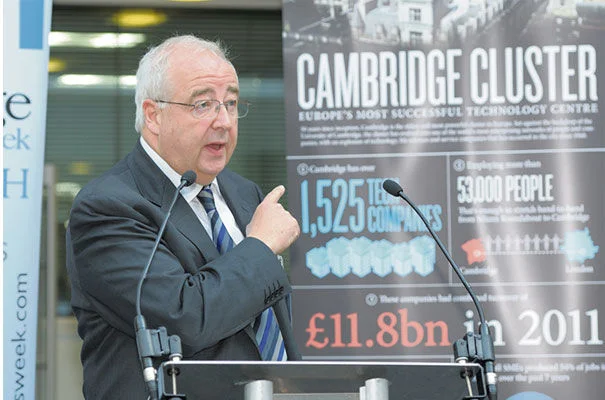
Cambridge Angels investing millions to fill funding void for global hopefuls
According to The UK Business Angels Association, which has a hub at The Bradfield Centre in Cambridge, business angels in the UK collectively invest an estimated £1.5 billion a year, which makes them the UK’s largest source of investment for startups and early-stage businesses seeking to grow.
According to The UK Business Angels Association, which has a hub at The Bradfield Centre in Cambridge, business angels in the UK collectively invest an estimated £1.5 billion a year, which makes them the UK’s largest source of investment for startups and early-stage businesses seeking to grow.
To say that angels are helping fledgling businesses negotiate the valley of death is a gross understatement. It is hard to imagine where the startup community would be without their often divine interventions.
The Cambridge science & technology cluster has more than its fair share of seraphims, cherubims and archangels who have collectively wrapped their wings – and their wallets – around constant cohorts of hopefuls.
The Cambridge Angels group is one of the oldest such networks in the UK, having been founded in September 2001 by Robert Sansom and David Cleevely.
Robert was founding chair and David – plus John Yeomans – were subsequent high profile chairs. Peter Cowley took the role in 2016 and is also president of the European Business Angel Network. John Yeomans specialises in data businesses, notably in digital media and communications.
It is worth mentioning for context that among a great many technology achievements, Robert Sansom was also a board director of FORE. In 1999, when it employed over 2,000 people and had annual revenues of over $600 million, FORE was sold to Marconi (previously GEC plc) for $4.5 billion. Dr Sansom continued as Marconi’s chief technology officer until April 2000.
Since inception 17 years ago, Cambridge Angels have invested more than £75 million in over 80 different portfolio companies.
One recent exit was particularly spectacular as Oracle acquired John Snyder’s Grapeshot; other notable exits included 3Way Networks, AlertMe (bought by British Gas for £65m), Cambridge CMOS Sensors, Cronto, Oval Medical Technologies, Neul (acquired by Chinese giant Huawei) and Phonetic Arts, this latter acquired by Google.
Digging deeper into the portfolio, Cambridge Angels-founded companies include Abcam, a global life science tools provider; Raspberry Pi – creator of a world-leading micro computer; fabless semiconductor company CSR and other leading technology players such as Frontier, Alphamosaic (acquired by Broadcom for $120m in 2004) and Privitar.
Thanks to Robert Sansom and Peter Cowley we can reveal that the first pitch event held by Cambridge Angels was on October 1, 2001 and that there were 19 members initially with a further nine entrepreneurs waiting to join – in the wings presumably!
The first two pitches were Voxit and Force12, neither of whom have figured on our radar, but most of the other Cambridge Angels investments since most certainly have.
While the organisation is called Cambridge Angels the reach of the network, given the calibre and contacts of its entrepreneur membership, is international, which is a tremendous help to portfolio companies.
The group is highly collaborative, not just injecting crucial capital but also actively mentoring entrepreneurial teams and their ideas to ensure they achieve returns and realise their full potential.
In terms of industry focus, Cambridge Angel members invest in a wide range of startup and scale-up businesses with a particular focus on technology, internet, software, hardware, digital healthcare and life sciences.
Membership of Cambridge Angels is by invitation only. Entrepreneurs who think they can add value to the network and businesses seeking financial support and associated mentorship should visit the website: cambridgeangels.com
• PHOTOGRAPH SHOWS: The Cambridge Angels Group co-founder David Cleevely

Novel Boost For Mobile Reliability
A new initiative from DC hybrid power systems manufacturer Controllis is set to help bring more reliable mobile coverage within reach of people in even the most remote areas.
A new initiative from DC hybrid power systems manufacturer Controllis is set to help bring more reliable mobile coverage within reach of people in even the most remote areas.
The ‘Five 5s’ programme cuts the up-front and ongoing costs of providing reliable network power to mobile phone towers and offers peace of mind when it comes to maintenance – removing a lot of the barriers to deploying and operating mobile networks in rural communities in countries with little existing infrastructure.
“Our DC hybrid systems are already saving operators thousands of dollars per site per year while reducing downtime per site,” said Lee Johnson, head of sales and marketing at Controllis. “The Five 5s programme is designed to build on those benefits and address the issues operators have with hybrid systems – primarily cost of ownership, reliability and battery life.”
The Five 5s programme includes a unique 5-year battery-life guarantee, on top of 5 years of free remote monitoring, a full 5-year warranty on the hybrid power system, a 5-year leasing capability and the option of 5 nines of reliability – or 99.999% uptime.
“Our deployed customer base stretches from South America to Asia, Africa and Europe,” said Mr Johnson. “Millions of system running hours have given us the data and confidence to offer a solution that meets the commercial needs of both tower companies and mobile operators. In launching the Five 5s we are setting a new precedent in assuring the performance and operation of power networks.”
Tower companies typically spend hundreds of millions – and, in some cases, billions – of dollars buying and operating sites. The Controllis 5-year leasing option means they can avoid up-front costs on power systems and dramatically reduce ongoing costs – aligning their spend more closely with their operating models.
The remote monitoring element of the Five 5s programme includes a connectivity option via built-in data SIMs and access to the Controllis cloud-based remote management server. The visibility and control of remote sites provided by the monitoring dramatically reduces the number of site visits.
The Controllis range of DC generators and hybrid energy power solutions helps mobile operators and tower companies provide more reliable and cost-effective power networks – giving them competitive advantage through improved network access and a better user experience.
Eagle Genomics named Top 500 global deeptech startup
Knowledge discovery in life sciences company, Eagle Genomics, has been selected as part of Hello Tomorrow’s Top 500 deeptech startups worldwide.
Knowledge discovery in life sciences company, Eagle Genomics, has been selected as part of Hello Tomorrow’s Top 500 deeptech startups worldwide.
More than 4,500 startups from 119 countries applied for the Hello Tomorrow Global Challenge – a science & technology startup competition designed specifically to address the needs of deep tech entrepreneurs across several different industries and technologies.
Thanks to the AI-powered knowledge discovery capabilities of its platform; the Automated Data Scientist, Eagle Genomics has been included in the AI & Data track of the Top 500, an accolade that recognises the company as one of the most promising in deeptech to date.
Eagle Genomics’ knowledge discovery platform, the Automated Data Scientist, utilizes AI and [Azure] cloud technology to transform data into actionable insights that drive scientific decision making. Enterprise customers are able to use the Automated Data Scientist, to exploit and navigate complex life sciences data to assess a product’s viability for retail / consumption by assessing, for example, its impact on the complex and unique human microbiome. The insight gained from the platform enables quick assessment of a products potential, accelerates market entry and mitigates early risk.
CEO of Eagle Genomics, Anthony Finbow, commented: “We are delighted to have been chosen from over 4,500 companies as one of the most promising deeptech startups. Our platform is applying context-based machine learning and AI to life sciences data enabling our customers to address some of the grand challenges of our age. This recognition from Hello Tomorrow only supports our mission to bring a step change in knowledge discovery in the health, food, personal care and agritech industries, enabling the digital reinvention of life sciences R&D.”
As finalists of the Top 500 deeptech startup challenge, Eagle Genomics will also attend the Hello Tomorrow Global Summit in Paris in March 2019.

GeoSpock Wins Liverpool Mayor’s ‘Smart Cities Realized’ Transport Challenge
GeoSpock® – the extreme-scale, data integration company that provides analytics, builds insight, and enables predictions across space and time – today announced that it has secured the Smart Transport Award as part of the Liverpool Major’s Challenges for Smart Cities Realized.
GeoSpock Wins Liverpool Mayor’s ‘Smart Cities Realized’ Transport Challenge
Data visualization company awarded proof-of-concept project for Smart Transport Liverpool
Cambridge, UK, 23 October 2018: GeoSpock® – the extreme-scale, data integration company that provides analytics, builds insight, and enables predictions across space and time – today announced that it has secured the Smart Transport Award as part of the Liverpool Major’s Challenges for Smart Cities Realized.
Harnessing geospatial data enables cities to work smarter, GeoSpock’s solution proposes improvements to the mobility of Liverpool’s citizens, while also significantly reducing the city’s environmental footprint. The platform allows the input of historical and current statistics, as well as the subsequent tracking and analysis of these disparate datasets. Meeting the Transport Challenge’s sustainability criteria, GeoSpock’s solution will deliver tangible results to the identified issues and provide additional opportunities beyond the scope of the project. The prize for the most innovative submission is a proof-of-concept project for Smart Transport Liverpool and formal partnership with the city council, which GeoSpock will commence immediately.
The event was just one component of The International Business Festival, which saw the coming together of a number of global smart cities to share ideas, review technologies, and provide significant opportunities for the future in a market that is predicted to top over $2.4 trillion in 2025. Ideas were presented to a panel of experts, including Deputy Mayor of Liverpool Ann O’Byrne, Dr Jonathan Reichental, Cllr James Noakes, Professor Paul Morrissey, and Carl Piva. GeoSpock was awarded its winning status after delivering a crucial understanding of local blockers and demonstrating an effective solution that can be applied to the real world.
The data visualization company is fast establishing itself as the de facto processing engine at the heart of next-generation smart infrastructure – including smart cities and the Internet of Everything (IoE). The company is also powering future mobility applications, such as the management of autonomous vehicle fleets, by working with businesses across the automotive, telecoms, mobility, media, and retail sectors.
Richard Baker, CEO at GeoSpock, comments: “We are delighted to win the Smart Cities Realized, Smart Transport Challenge. Location Intelligence as a Service is fast becoming an important part of smart city development and this award is testament to the GeoSpock team’s innovation. We are looking forward to developing our relationship with Liverpool City Council and helping their smart city vision become a reality.”
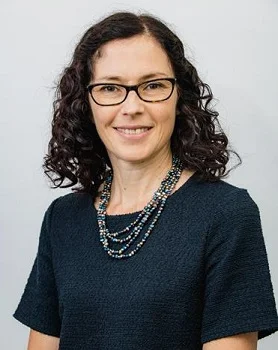
Kate Hilyard joins Healx to drive the integration of AI with drug discovery for rare diseases
Healx, the Cambridge (UK) technology company developing breakthrough treatments for rare diseases, today announced the appointment of Kate Hilyard PhD as Chief Operating Officer (COO).
A senior pharma executive, with extensive drug discovery expertise, Kate’s appointment underlines Healx’s mission to combine deep pharmacological expertise with Artificial Intelligence (AI) and active patient engagement to give sufferers of rare disease a better quality of life.
At Healx, Kate will be lead strategy implementation to drive business growth enabling Healx to deliver rare disease treatments at scale through AI and cutting-edge technologies. Her industry experience adds to that of co-founder Dr David Brown, the inventor of Viagra and ex-Global Head of Drug Discovery at Roche, and the Healx drug discovery team. The Company’s massively parallel approach to drug discovery combines its unique AI technologies with one of the largest collections of insights from rare disease patient groups.
Welcoming Kate to the Company, Tim Guilliams, Healx’s co-founder and CEO said: “Kate brings a wealth of experience to Healx and her appointment is a real coup. Having started Healx with an artificial intelligence and patient care focus, Kate’s appointment broadens our senior expertise with further deep rare disease research knowhow and will be core to our goal of transforming the lives of patients, using our AI to find treatments based on existing drugs. Kate will help shape the next company milestones as we grow our world-class talent and demonstrate our ambition to transform the lives of rare disease patients.”
Kate’s track record of scientific and business leadership includes over 25 years’ drug discovery experience in the pharma and biotech sector, with a decade finding new treatments for rare diseases. She joins from Charles River where she was Corporate Vice President Discovery, leading and integrating multiple sites in the UK, EU and US working with a global client base. Previously she has held senior leadership roles at BioFocus DPI Ltd (which was acquired by Charles River) and Cambridge Antibody Technology (now part of MedImmune), having commenced her industry career at Roche. She gained her PhD in molecular immunology from Oxford University and her early academic career includes postdoctoral research in human biology at Oxford and Harvard Universities.
Commenting on her appointment, Kate Hilyard, COO, Healx said: “The unmet medical need for patients with rare diseases cannot be met using the traditional drug discovery and development approach. A radical shift away from blockbuster drugs towards more personalised treatments and patient-centric approaches is required. Using AI to discover new therapies has already been shown to be transformative in terms of time and money spent on clinical trials and Healx is at the forefront of changing drug discovery using AI. It is exciting to be joining the ambitious Healx team at this pivotal time, to use my extensive experience of transforming drug discovery organisations to make a difference to rare disease patient lives.”
In July, Healx announced that it had raised £10 million in a Series A financing which will be used to more than double Healx’s diverse and multi-disciplinary team of software engineers, data scientists, pharmacologists and drug development experts and to expand its world class artificial intelligence and machine learning technologies. Its Healnet AI platform facilitates highly parallelized, automated, large scale drug discovery that drastically reduces time and cost to discovery compared to traditional processes and can cut medicine development time by up to 80%.

PervasID receives £1.6 million investment to progress RFID technology
PervasID has completed a Series A investment and received an Innovate UK grant to progress RFID technology developed at the University of Cambridge.
PervasID has completed a Series A investment and received an Innovate UK grant to progress RFID technology developed at the University of Cambridge.
PervasID, an award-winning RFID (Radio Frequency Identification) technology provider, today announces that it has secured £1.6 million in Series A funding. The technology, which was pioneered at the University of Cambridge and achieves more than 99 percent tag detection, was also awarded £240,000 from Innovate UK, the UK’s innovation agency.
Cambridge Enterprise, the University’s commercialisation arm, has backed the technology, along with Parkwalk, Cambridge Innovation Capital and Martlet, the investment arm of the Marshall of Cambridge Group. PervasID will use the additional funds to grow its delivery team, expand its reach into the healthcare, retail and industrial sectors, and provide essential innovation for its products.
PervasID was founded in 2011 by Dr Sabesan Sithamparanathan, Dr Michael Crisp, Professor Ian White and Professor Richard Penty. The company, which is based at St John’s Innovation Centre, Cambridge, has developed a passive RFID technology that enables highly reliable reading of standard passive RFID tags.
Since receiving its first round of funding in 2016, PervasID has expanded its product offering and now has over 30 corporate customers who use the patented technology, which achieves almost 100 per cent detection. The technology provides location information in a wide area read zone and can scale up to service larger areas, such as shops and warehouses, in order to provide better stock visibility. It can also integrate with existing alarm systems to alert of theft, making it, in the words of one of PervasID’s major tier one retail customers, “arguably the best and the only solution up to the challenge facing modern retailing.”
Dr Sabesan Sithamparanathan, co-founder and CEO comments, “We are very pleased to have successfully closed this funding round which will help us innovate and develop our product further. The investment we have received from local investors is a particularly proud moment for us as they are backing technology that has been pioneered at the University of Cambridge. This highlights the importance of supporting research and development at these institutions.”
He continues, “Along with the Innovate UK grant, this funding will help us expand our team and therefore our expertise, which will allow us to continue to innovate our product offering in the future.”
Dr Elaine Loukes, Investment Director at Cambridge Enterprise, comments: “We are delighted to continue to support the company. With its expanded range of products and market applications, many customers are recognising the benefits of the PervasID technology.”
Moray Wright, CEO, Parkwalk adds, “Parkwalk is delighted to have invested in this globally-leading RFID technology that will enable customers around the world to monitor their assets in real time. The fundamental research behind the technology is ground breaking and opens new opportunities for passive RFID in a range of markets.”
Andrew Williamson, Investment Director at Cambridge Innovation Capital, comments “PervasID’s high accuracy RFID sensor technology addresses an unmet need in the retail, healthcare and industrial sectors. We are excited by advances to PervasID’s technology and the growth of their team since CIC made our initial investment in 2016.”
Peter Cowley, Investment Director at Martlet, the investment arm of Marshall of Cambridge Group and very active technology angel investor comments, “We’re pleased to be backing another innovative Cambridge technology start-up that offers a technical advantage over existing RFID tracking solutions, providing much better performance at lower cost. With my background in developing and selling RFID solutions across multiple sectors for over two decades, I will be able to support the company in delivering value to customers and achieving its growth plans.”
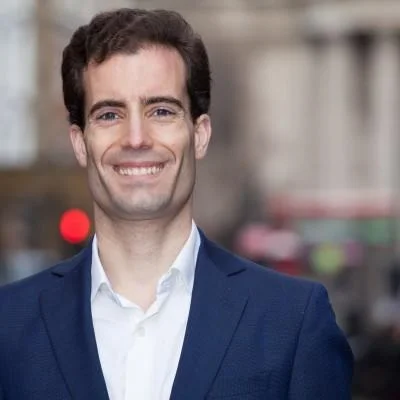
SyndicateRoom CEO scoops CEO Excellence Award
Goncalo Vasconcelos, CEO of SyndicateRoom, has been awarded a Global CEO Excellence Award for 'Best Online Investments CEO 2018'.
Goncalo Vasconcelos, CEO of SyndicateRoom, has been awarded a Global CEO Excellence Award for 'Best Online Investments CEO 2018'.
Now in its second year, the Global CEO Excellence Awards has returned to recognise the outstanding achievements made by leading CEOs from across the world. The awards reveal the CEOs responsible for driving change while successfully managing the day-to-day operations within an organisation, and are more than just role models for their employees and can operate as motivators and innovators, with the vision and drive to take an enterprise to the next level.
SyndicateRoom has also been nominated for a Growth Investor Award with the Intelligent Partnership, for Best Investment Platform. After an intense judging process, the six finalists for the category were recently announced. Winners will be confirmed over the next few weeks, and celebrated at an awards ceremony this November.
SyndicateRoom are Alumni of ideaSpace West.
SyndicateRoom is an online equity crowdfunding platform that allows its members to co-invest in high-growth companies with experienced investors including some of the most prominent Business Angels in the UK.
Repositive strengthens senior management team for new growth phase
Repositive, a Cambridge UK technology startup bidding to help accelerate cancer drug discovery, has hired three senior executives to ready the business for its next phase of growth.
Repositive, a Cambridge UK technology startup bidding to help accelerate cancer drug discovery, has hired three senior executives to ready the business for its next phase of growth.
Established in 2014 as a social enterprise, Repositive has grown its headcount by 50 per cent in the last 12 months and now numbers 38 people. The company has created a secure platform that helps increase discovery, access to and sharing of genomic research data for the benefit of patients.
Repositive has created two products based on its platform through which communities of researchers and data providers can connect and share previously hard to access data and models, to support research studies.
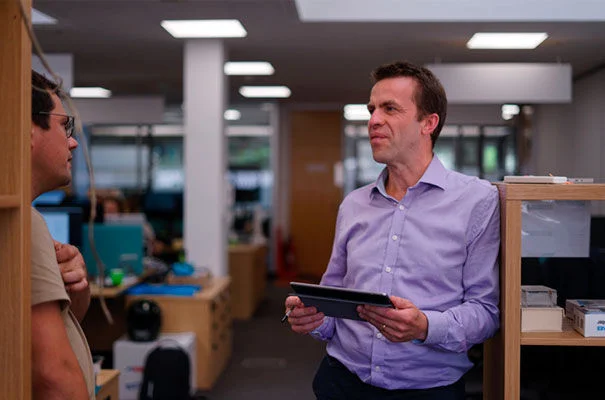
The three new senior hires are Ave Wrigley as chief technology officer; Robert Thong as chief business officer; and Julian Coe, chief finance and operating officer.
Wrigley, has over 20 years’ experience running technology departments across a wide variety of disciplines – including ecommerce and digital marketing, data-driven marketing insights and multimedia content management – and will help Repositive focus on scalable delivery and maximising the benefits of the platforms for researchers and data providers.
Robert Thong brings almost 30 years of experience in leadership and commercial roles in B2B enterprises in the life sciences sector. Thong is a recognised authority on the biopharma R & D externalisation trend, a published author on biopharma R & D partnerships and also a guest lecturer on R & D alliances at institutions including the University of Cambridge and University College London.
Julian Coe is an experienced finance director who has previously supported large health companies – such as LGC Genomics and Ieso Digital Health – with creating business plans, developing finance models and securing funding.
Coe said: “Repositive has incredible potential and I am determined to use my experience to help the company raise the funding it needs and to scale its operations to execute its growth plan.
“Precision medicine is the future but its development requires biomedical researchers to have immediate access to a much greater volume of more pertinent genomic data. Repositive is making waves in the research world by providing this advanced search capability.
“We now have an incredibly strong team and we are confident that, in the next six months, we will be the world’s single largest source of translational cancer models for researchers.”
Repositive’s first data-sharing product, Discover, was launched in 2016 to enable researchers globally to locate any human genomic data that is already publicly available but is often not, for a number of reasons, easily located or accessible.
Discover now indexes over one million datasets from more than 50 data sources, and is forming the basis of Repositive’s contribution to the NIH Data Commons initiative.
Responding to demand from biopharma and biotech companies, Repositive has also developed a second product based on its secure platform, which is poised to become the world’s largest marketplace and community for translational cancer models.
Repositive’s Cancer Models provides commercial oncology researchers with a holistic, searchable, comparable view of existing cancer models across the globe, whilst providing Contract Research Organisations – providers of cancer models – with a tool to market, showcase and manage their model inventory.
• PHOTOGRAPH SHOWS: Julian Coe

DefiniGEN strengthens Board with appointment of Professor Sir John Savill
DefiniGEN, the world leader in human iPSC differentiation and disease modelling, announces the appointment of Professor Sir John Savill as a Non-Executive Director of the Board.
DefiniGEN, the world leader in human iPSC differentiation and disease modelling, announces the appointment of Professor Sir John Savill as a Non-Executive Director of the Board.
Sir John will bring his expertise in translational science to DefiniGEN enabling the company to accelerate the development of new products and services which can improve the efficiency and economics of drug development.
Sir John Savill was previously the Chief Executive of the Medical Research Council (MRC) in the UK. Within this role he was responsible to UK Parliament for expenditure of approximately £800 million per year as MRC’s Accounting Officer. Alongside the MRC role, Savill was also Vice-Principal and Head of the College of Medicine at the University of Edinburgh. As a renowned expert in research and innovation, Sir John will aid DefiniGEN in further developing its partnerships with the pharmaceutical and biomedical communities.
Dr Marcus Yeo, Chief Executive Officer, commented: “I am delighted to welcome John to the DefiniGEN board. With his extensive experience as a highly-regarded clinician and scientist I am confident that John will prove to be highly valuable as DefiniGEN continues to grow internationally in key markets.”
Sir John Savill stated: “DefiniGEN is one of the UK’s most innovative translational science companies providing valuable tools for biomedical research. I’m delighted to join the board at this important stage in the company’s development.”
DefiniGEN provides human liver cells for preclinical drug development and disease modelling applications using human Induced Pluripotent Stem Cell hIPSC technology.